


I grew up thinking home improvements were mostly personal decisions. If someone replaced a roof, added insulation, or fixed an aging porch, it felt like something happening behind one front door. The more I paid attention, the more I realized those individual projects often tell a bigger story.
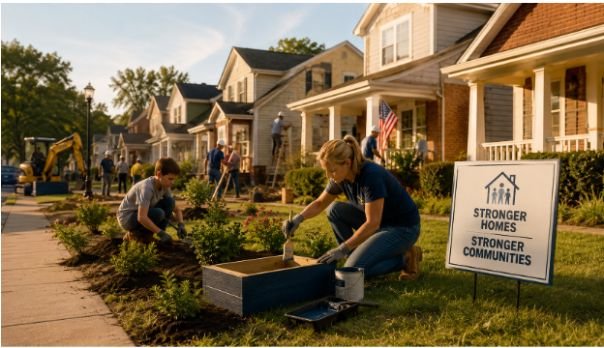
When several homes on the same street start improving, the entire neighborhood begins to feel different. Streets look safer, property maintenance improves, and people take more pride in where they live.
That perspective made me look more closely at government housing improvement initiatives. They aren’t simply about helping someone repair a house. They’re designed to preserve aging homes, encourage energy-efficient upgrades, improve accessibility, and strengthen communities over time.
While every program has different goals and eligibility requirements, the bigger objective remains the same: creating neighborhoods where people can live safely and comfortably for years to come.
Why Housing Improvements Have Become a Bigger Priority
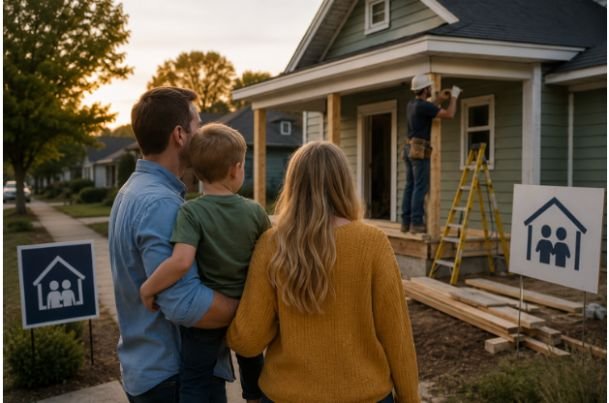
Many communities are dealing with homes that were built decades ago. Aging roofs, outdated electrical systems, poor insulation, and accessibility challenges often become expensive problems when they’re ignored for too long.
Government housing improvement initiatives are increasingly focusing on preventing those issues before they become major financial burdens. Rather than waiting for entire neighborhoods to decline, many programs encourage repairs that improve safety, extend the life of existing housing, and reduce long-term maintenance costs.
Housing affordability has also become part of the conversation. Building new homes remains important, but preserving existing housing stock is often faster and more cost-effective than starting from scratch.
More Communities Are Investing in Existing Neighborhoods
One noticeable shift is the growing focus on improving neighborhoods instead of concentrating only on new construction.
Federal, state, and local agencies continue supporting projects that modernize older homes, improve infrastructure, and encourage responsible redevelopment. Some communities are also updating zoning policies and permitting processes to reduce delays that make renovation projects more expensive.
When neighborhoods receive coordinated investment, the benefits often extend beyond individual homeowners. Better housing conditions can contribute to stronger local economies, improved public spaces, and greater long-term community stability.
Energy Efficiency Is Becoming Part of Every Renovation
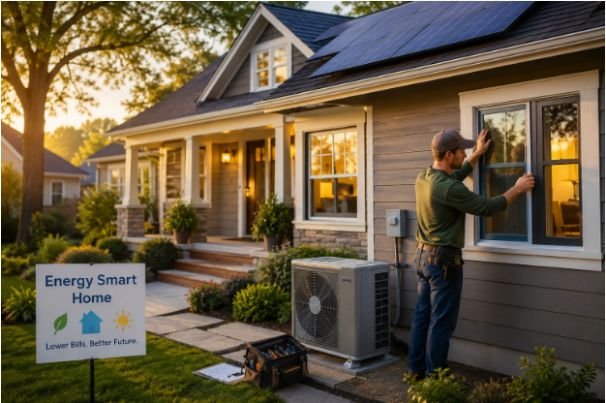
Energy-efficient improvements are no longer viewed as optional upgrades. Better insulation, efficient heating and cooling systems, modern windows, and weatherization improvements can lower utility costs while making homes more comfortable throughout the year.
Many assistance programs encourage these improvements because they create lasting benefits for homeowners instead of providing only short-term relief. Lower energy consumption also helps reduce the overall cost of maintaining a home, something many families now consider just as important as cosmetic renovations.
Accessibility Is Helping People Stay in Their Homes Longer
As more homeowners choose to age in place, accessibility improvements continue receiving greater attention.
Simple changes like wheelchair ramps, wider doorways, grab bars, improved lighting, and safer entryways can make a significant difference without requiring families to relocate. Some housing assistance programs also support modifications that help people with disabilities maintain greater independence.
These improvements don’t just solve immediate challenges. They allow homes to remain practical through different stages of life.
Financial Assistance Is Becoming Easier to Navigate
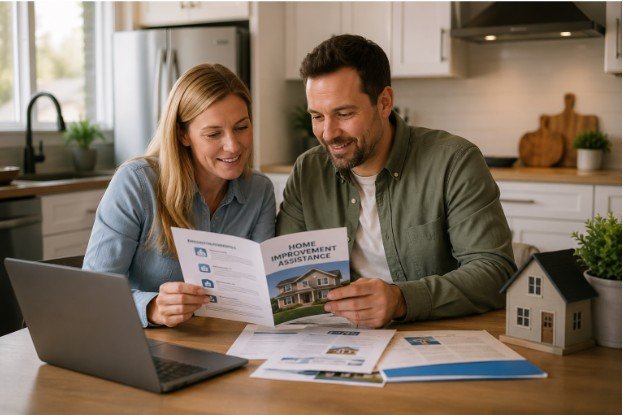
Finding reliable information has traditionally been one of the biggest challenges for homeowners seeking help.
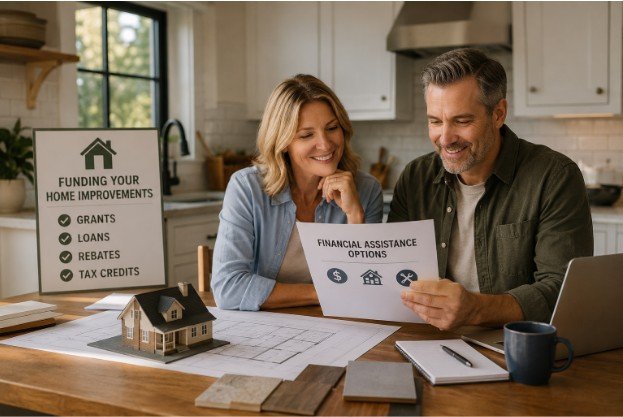
Many agencies are working toward simplifying application processes, improving online resources, and helping applicants understand available grants, loans, and rehabilitation programs. State housing finance agencies also continue offering programs that support first-time buyers, rehabilitation efforts, and affordable financing in eligible communities.
Before applying, homeowners should gather property records, contractor estimates, income documentation, and any information required by local agencies. Preparing early often makes the process smoother.
If you’re exploring funding options alongside renovation planning, our homeowner renovation financial assistance resource explains additional programs that may help reduce project costs.
Stronger Neighborhoods Begin With Better Homes
Housing improvement initiatives affect far more than individual properties.
When homes receive necessary repairs, neighborhoods often experience fewer vacant buildings, improved safety, and stronger community pride. Investments in housing also support local contractors, suppliers, and skilled trades, creating economic activity that benefits the surrounding area.
Communities with well-maintained housing generally become more resilient because they require fewer emergency repairs and can better withstand changing economic conditions.
Looking Beyond Grants and Loans
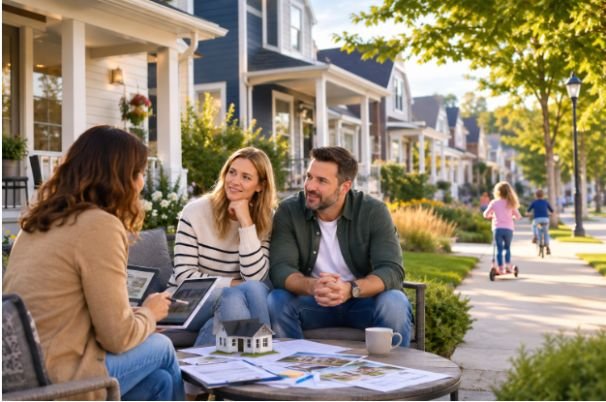
Financial support remains an important part of housing policy, but successful initiatives aren’t measured only by the number of projects completed.
Long-term success comes from preserving safe housing, encouraging responsible investment, improving energy efficiency, and giving families confidence that their homes will continue meeting their needs. Those outcomes create stronger neighborhoods that benefit current residents as well as future generations.
FAQs: Government Housing Improvement Initiatives That Are Changing Communities in 2026
What are government housing improvement initiatives?
They are public programs that support home repairs, rehabilitation, accessibility improvements, energy-efficiency upgrades, and neighborhood revitalization through grants, loans, or other forms of assistance.
Who may qualify for housing improvement assistance?
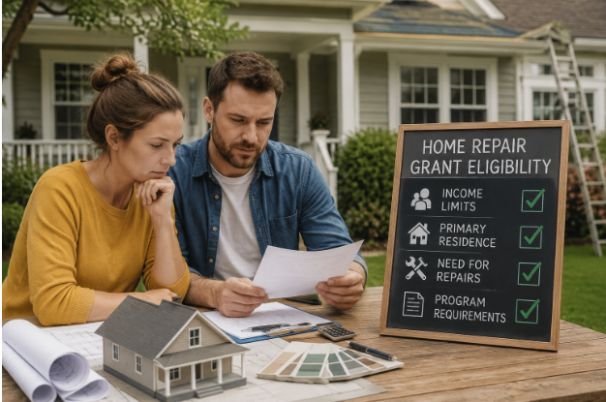
Eligibility depends on the specific program. Factors often include income, property location, homeownership status, age, disability, veteran status, or whether the property is in a rural area.
Do these initiatives only cover major renovations?
No. Many programs also support smaller projects such as weatherization, accessibility modifications, essential repairs, and improvements that make homes safer or more energy efficient.
Where should homeowners begin looking for assistance?
Start with local housing agencies, state housing finance authorities, or official federal resources. They can explain current programs, eligibility requirements, and application steps available in your area.
Better Homes Often Create Better Communities
The most valuable government housing improvement initiatives don’t simply repair buildings. They help preserve neighborhoods, reduce long-term housing costs, improve safety, and create places where families can continue building their lives. While every community has different needs, investing in existing homes often delivers benefits that extend well beyond a single property.
Sometimes the strongest neighborhoods aren’t built through massive change. They grow one well-maintained home at a time.