



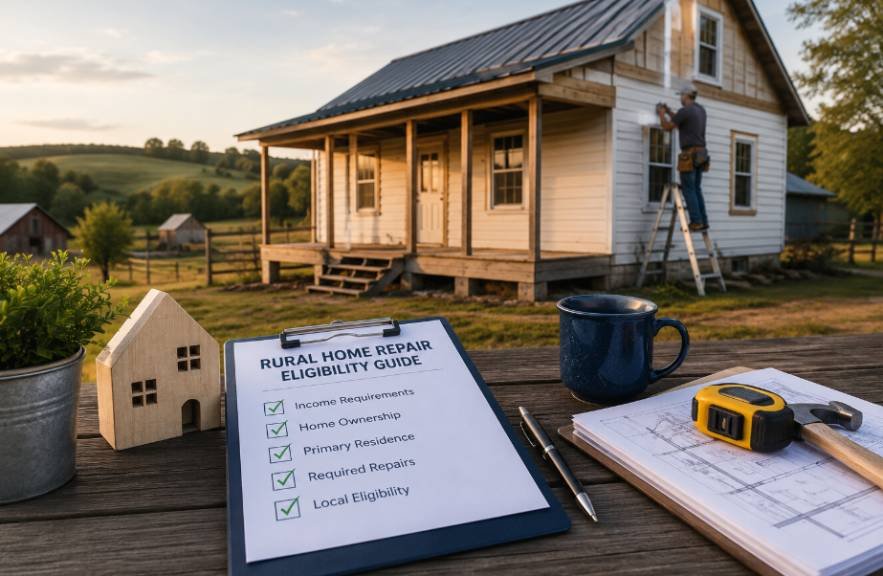


The first time I looked into home repair grants, I expected to find one simple list of rules. Instead, I ended up jumping between government websites, local housing pages, and program documents that all seemed to say something different. After a while, I realized the information wasn’t necessarily conflicting. It was just written for different programs, which made the whole process feel far more complicated than it needed to be.
Once I started breaking things down, the eligibility requirements became much easier to understand. Most home repair grants follow a similar pattern, even though the details vary by location and program. Knowing those basics before you apply can save time, prevent unnecessary paperwork, and help you focus on the programs you’re actually eligible for.
Why Home Repair Grant Rules Can Be So Confusing

One of the biggest misunderstandings is believing there’s a single government home repair grant available to everyone. In reality, assistance comes from several federal, state, county, and local housing programs, each with its own qualifications.
Some grants are designed for older homeowners, while others support people living in rural communities or households with limited income. There are also programs that focus on accessibility improvements, weatherization, or emergency repairs. That’s why two homeowners living in different counties may qualify for completely different types of assistance.
Instead of searching for one universal answer, it’s more helpful to understand the eligibility factors that most programs have in common.
Homeownership Usually Comes First
Most home repair grants are available only to people who own the property and use it as their primary residence.
If the home is a rental property, vacation home, or investment property, it’s unlikely to qualify for grant funding. Government agencies generally prioritize homeowners who need financial assistance to keep the home they live in safe and livable.
You’ll usually need documents that prove ownership before your application can move forward.
Income Plays a Major Role

Income is one of the most important home repair grant eligibility requirements.
Many programs are designed to help households with low or very low incomes. Instead of using one nationwide income limit, agencies often compare your household earnings with the Area Median Income (AMI) for your county or region.
Because those limits change by location and household size, someone who qualifies in one community may not qualify somewhere else. That’s why checking the income requirements for your local housing program is always worth doing before you begin an application.
Not Every Repair Qualifies
Another common misconception is that grants can be used for any type of home improvement.
Most government-funded programs focus on repairs that protect health, safety, or the structural integrity of the home. Examples often include:
- Roof repairs that prevent water damage.
- Electrical repairs that remove safety hazards.
- Plumbing or heating system repairs.
- Accessibility improvements like ramps or grab bars.
- Structural repairs that keep the home safe to live in.
Cosmetic upgrades, luxury renovations, kitchen remodels, and decorative landscaping usually aren’t considered eligible repairs because they don’t address essential housing needs.
Some Programs Have Additional Eligibility Rules

Certain assistance programs include requirements beyond homeownership and income.
For example, the USDA Section 504 Home Repair Program generally offers grants only to homeowners who are at least 62 years old, meet very low-income requirements, and cannot obtain affordable credit elsewhere. Younger homeowners may still qualify for low-interest repair loans through the same program, but not grant funding.
Other programs may give priority to veterans, people with disabilities, or homeowners living in designated rural communities. Local housing agencies may also operate grant programs with their own qualifications, so it’s always worth checking what’s available where you live.
Be Ready With the Right Documents
A complete application often moves more smoothly than one missing important paperwork.
Depending on the program, you may be asked to provide:
- Proof of homeownership.
- Identification.
- Income documentation.
- Recent tax returns or benefit statements.
- Property tax information.
- Estimates for the repair work.
- Photos showing the condition of the property.
Having these documents prepared before applying can reduce delays and make it easier to respond if additional information is requested.
What Can Stop an Application From Being Approved?
Many applications are delayed or denied for reasons that have nothing to do with the repairs themselves.
Submitting incomplete paperwork, applying for cosmetic improvements instead of health or safety repairs, exceeding local income limits, or failing to prove the home is your primary residence are some of the most common issues.
It’s also important to remember that grant funding is limited. Even qualified applicants may need to wait until additional funding becomes available.
If you’re exploring broader assistance opportunities, our government housing improvement initiatives resource explains how different housing programs work together and where homeowners can often find additional support.
Taking a Few Extra Steps Before Applying
Before completing an application, spend a little time researching which programs operate in your area. Local housing authorities, county offices, nonprofit organizations, and state housing agencies often manage assistance that isn’t widely advertised.
It also helps to gather repair estimates, review income guidelines, and confirm whether your project meets the program’s priorities. Those small steps can make the application process much less stressful and improve your chances of finding the right type of assistance.
FAQs: Home Repair Grant Eligibility Requirements Explained Without the Confusing Terms
Do all home repair grants have the same eligibility requirements?
No. Every program sets its own rules, although most consider homeownership, income, primary residence, and the type of repair before approving an application.
Can I use a home repair grant for remodeling my kitchen or bathroom?
Usually not. Most grants cover repairs that improve safety, accessibility, or the structural condition of the home rather than cosmetic renovations.
Do I have to repay a home repair grant?
In many cases, no. However, some programs require repayment if you sell the property or stop living there within a specified period, so always review the grant conditions carefully.
Where should I check for available home repair grants?
Start with federal resources, then explore your state housing agency, county offices, local housing authorities, and nonprofit organizations because available programs often differ by location.
Knowing the Rules Makes the Search Much Easier
Looking for financial help with home repairs can feel overwhelming at first, especially when every program seems to use different terms and qualifications. Once you understand the common eligibility requirements, the process becomes much more manageable. Instead of applying everywhere, you can focus your time on programs that genuinely match your situation and your home’s repair needs.
A little preparation today can save weeks of confusion tomorrow.