

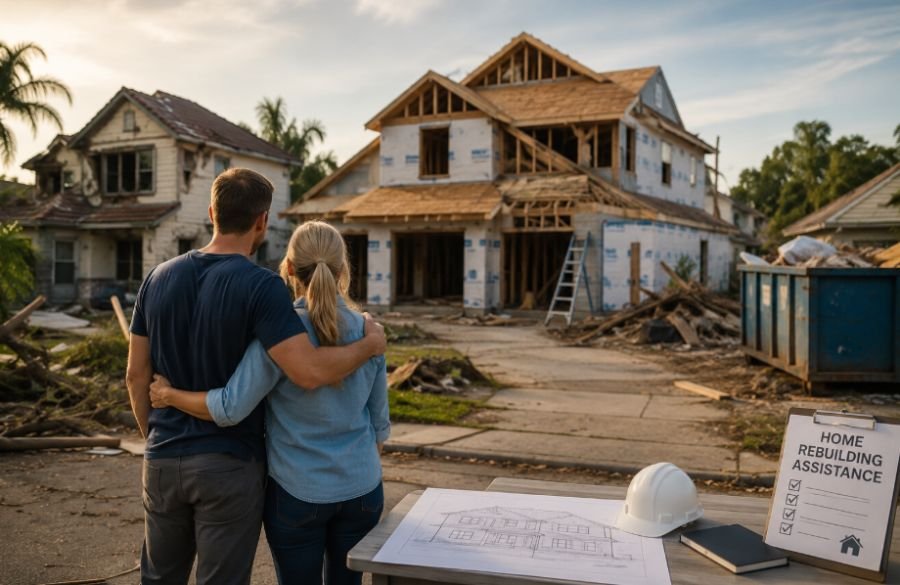

I still remember talking to a family a few weeks after a severe storm swept through their neighborhood. They thought the hardest part was over because the skies had cleared and emergency crews had arrived. Then came the paperwork, insurance calls, inspections, and the realization that rebuilding a home is very different from cleaning up after a disaster. That’s when I understood how confusing recovery can become, especially when you’re trying to figure out who actually pays for what.
Since then, I’ve noticed that many homeowners share the same expectation. They believe government disaster assistance will restore everything they lost. In reality, recovery usually comes from several different sources working together. Understanding how each program works before you apply can save time, reduce frustration, and help you make better financial decisions during an already stressful situation.
Why Disaster Assistance Often Feels More Complicated Than Expected
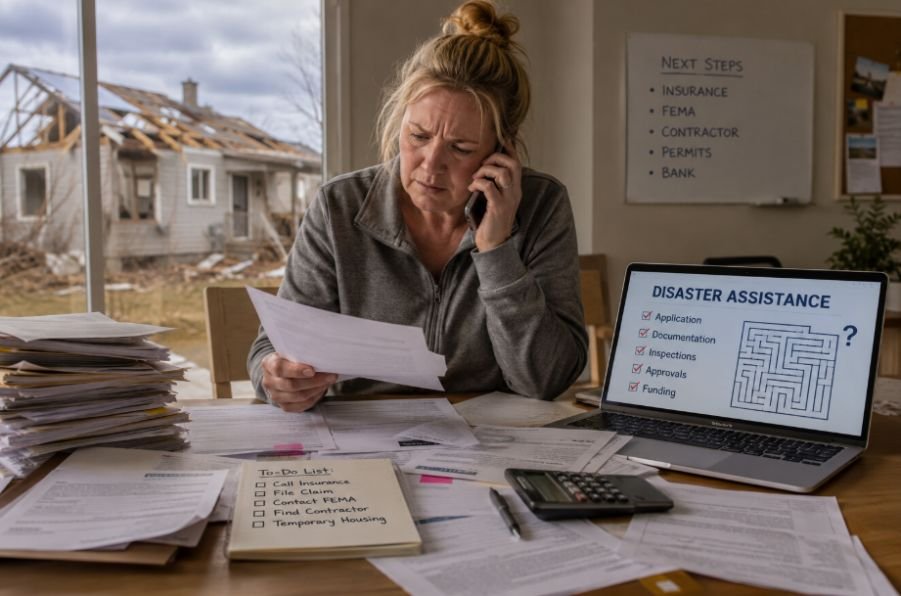
When a home is damaged by a hurricane, wildfire, flood, tornado, or another federally declared disaster, help is available. The challenge is knowing what each program is designed to do.
Many people expect federal assistance to cover the full cost of rebuilding, but that’s rarely how the system works. Government programs are designed to make homes safe, sanitary, and functional, not necessarily restore every feature that existed before the disaster. That’s why insurance, federal assistance, loans, and personal savings often become part of the same recovery plan.
Knowing this from the beginning helps set realistic expectations and prevents surprises later in the process.
What FEMA Home Assistance Actually Covers
One of the biggest misconceptions is that FEMA pays to completely rebuild damaged homes. Its housing assistance is much more limited.
FEMA grants are intended to help make your primary residence safe to live in again. Funding may cover essential structural repairs, damaged utilities, windows, doors, roofing, or other basic needs that affect habitability. Cosmetic upgrades, luxury finishes, landscaping, detached structures, and full home reconstruction generally aren’t included.
There’s also a financial cap on housing assistance, which changes periodically. Even at its maximum, the available grant is often much lower than the actual cost of rebuilding a severely damaged home.
That doesn’t mean FEMA assistance isn’t valuable. It simply serves a different purpose than many homeowners expect.
Insurance Usually Becomes the First Step

If your property is insured, your insurance provider remains the primary source of financial recovery.
Federal programs are prohibited from paying for losses already covered by insurance. Because of that, FEMA may wait until insurance claims are processed before determining eligibility for certain types of assistance.
Keeping detailed photographs, repair estimates, receipts, and communication records can make this process much smoother. Organized documentation often speeds up both insurance reviews and government applications.
Why SBA Disaster Loans Matter More Than Many People Realize
Many homeowners overlook the U.S. Small Business Administration because they assume it only serves businesses. In reality, it plays a significant role in residential disaster recovery.
The SBA offers low-interest disaster loans that may help homeowners repair or replace damaged real estate when insurance and grants aren’t enough. Unlike grants, these funds must be repaid, but repayment terms can extend over many years, making large rebuilding projects more manageable.
For many families facing major structural damage, these loans become the largest source of federal financial assistance available.
What Happens After You Apply

Submitting an application doesn’t immediately result in funding.
Most applicants should expect an inspection, either in person or through approved remote methods, to verify reported damage. Inspectors evaluate whether the home is safe, document eligible repairs, and confirm information provided during the application.
The review process can take time, especially after widespread disasters when thousands of homeowners submit claims simultaneously. Responding quickly to requests for additional documentation can help avoid unnecessary delays.
Watch for Contractor Scams During Recovery
Unfortunately, natural disasters often attract dishonest contractors looking to take advantage of vulnerable homeowners.
Some request large cash payments before starting work. Others promise immediate repairs without proper licensing or written agreements. Consumer protection agencies regularly warn homeowners to verify licenses, insurance coverage, references, and local registration before signing any contract.
A trustworthy contractor should provide a written estimate, explain the scope of work clearly, and avoid pressuring homeowners into immediate decisions.
Taking an extra day to verify credentials can prevent expensive mistakes later.
Don’t Forget About Your Mortgage

One issue many homeowners don’t anticipate is that mortgage payments usually continue even if the home becomes temporarily uninhabitable.
If disaster damage affects your ability to make payments, contact your mortgage servicer as soon as possible. Some lenders offer temporary forbearance or other relief options, but these arrangements generally require approval rather than happening automatically.
Early communication often creates more options than waiting until payments are missed.
Building a Smarter Recovery Plan
Government assistance works best when it’s viewed as one piece of a larger recovery strategy.
A practical rebuilding plan often includes:
- Insurance claims filed as early as possible.
- FEMA assistance for immediate housing needs and essential repairs.
- SBA disaster loans if rebuilding costs exceed available grants.
- Careful contractor verification before signing agreements.
- Copies of receipts, inspection reports, estimates, and application documents kept together.
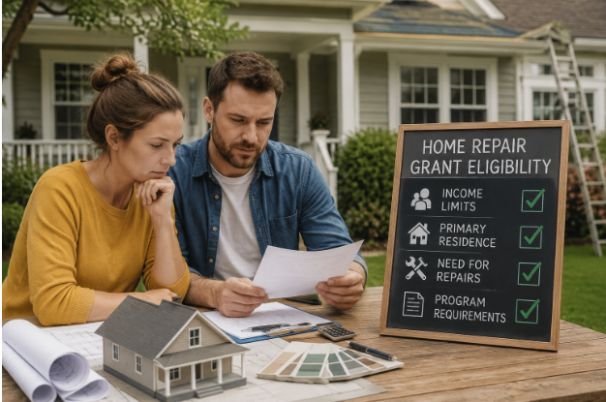
- Understanding home repair grant eligibility requirements before submitting applications to avoid preventable delays.
Approaching recovery one step at a time makes an overwhelming process much easier to manage.
Frequently Asked Questions
1. Does FEMA rebuild an entire home after a disaster?
No. FEMA generally funds essential repairs that make a primary residence safe and livable. Complete rebuilding usually depends on insurance, personal resources, or other financial assistance.
2. Can I receive both insurance payments and FEMA assistance?
Yes, but FEMA won’t duplicate benefits already covered by your insurance policy. Federal assistance is designed to fill eligible gaps, not replace insurance coverage.
3. What is the purpose of an SBA disaster loan?
An SBA disaster loan provides low-interest financing for eligible homeowners whose repair or rebuilding costs exceed available grants or insurance proceeds. Unlike grants, these loans must be repaid.
4. How can I avoid contractor fraud after a natural disaster?
Always verify licenses, request written estimates, check references, avoid large upfront cash payments, and confirm credentials through local consumer protection or licensing agencies before hiring anyone.
Recovery Takes Planning More Than Speed
The days immediately after a natural disaster often feel overwhelming, and it’s understandable to want quick answers. From what I’ve seen, the homeowners who recover most smoothly aren’t always the ones who receive the largest assistance packages. They’re the ones who understand how insurance, federal programs, loans, and careful planning fit together. Knowing what each option can realistically provide makes every decision a little clearer when emotions are already running high.
Rebuilding a home takes time, but rebuilding with the right information makes the journey much easier.