




I still remember helping a family member look into a home repair program after a leaking roof started causing bigger problems inside the house. We found dozens of websites explaining the same program, but every page seemed packed with government terms that raised more questions than answers. Instead of feeling closer to applying, we spent more time trying to understand whether we even qualified.
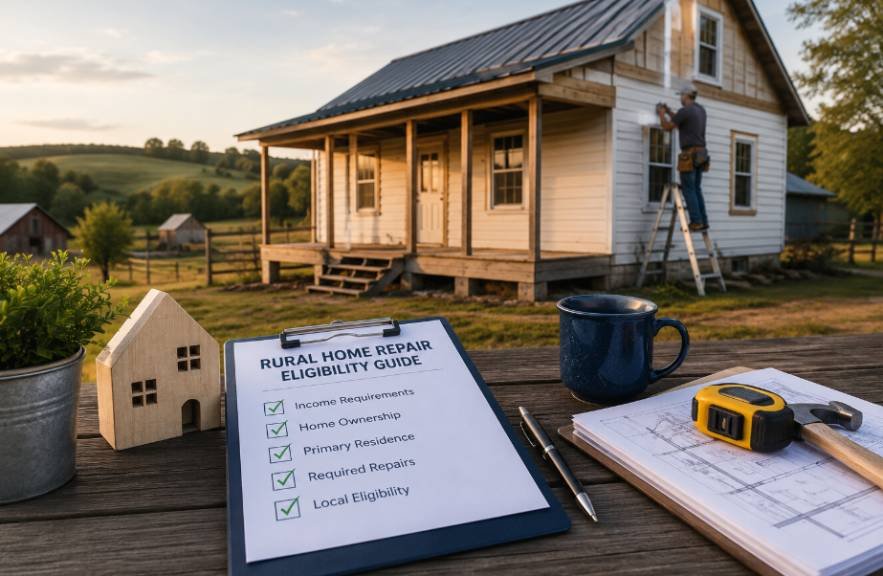
That experience made me realize why so many homeowners give up before they submit an application. The good news is that most eligibility rules are actually straightforward once they’re explained in plain language. If you’re trying to determine whether you qualify for assistance, this rural home repair eligibility guide breaks down the basics without the legal wording or confusing paperwork.
What Is the USDA Section 504 Home Repair Program?
Owning a home in a rural community comes with unique challenges. Repairs can’t always wait, but paying for a new roof, fixing electrical hazards, or replacing a failing heating system isn’t easy for every household.
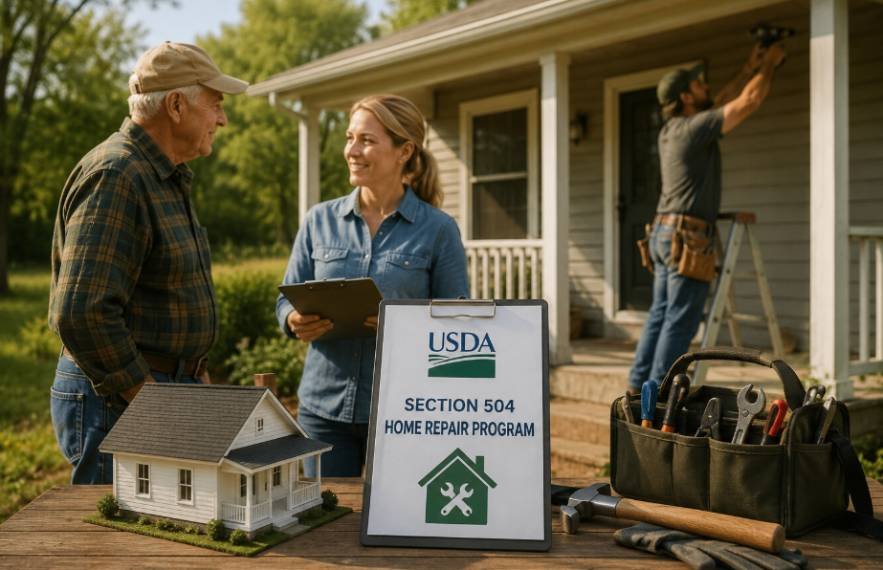
The USDA Section 504 Home Repair Program was created to help eligible homeowners make essential repairs that improve safety, accessibility, and the overall condition of their primary residence. Depending on your situation, assistance may come as a low-interest loan or, in some cases, a grant that doesn’t have to be repaid.
The purpose isn’t to fund cosmetic upgrades. Instead, the program focuses on repairs that make a home safer and more livable.
Who Qualifies for the Program?
Not everyone who owns a rural home automatically qualifies. The USDA reviews several factors before approving an application.
You Must Own and Live in the Home
The property must be your primary residence. Vacation homes, rental properties, and investment homes don’t qualify under this program. You’ll also need to show proof that you legally own the property.
Your Household Income Must Meet the Limits
One of the biggest requirements is income.
The program is designed for very low-income homeowners, generally meaning your household income must fall below 50 percent of the median income for your county. Because income limits vary by location, two families earning the same amount may receive different eligibility decisions depending on where they live.
That’s why it’s important to check the current limits before applying instead of relying on general income estimates.
The Property Must Be in an Eligible Rural Area

Many homeowners assume “rural” only means remote farmland, but that’s not always true.
Some small towns and communities also qualify under USDA guidelines. The easiest way to verify eligibility is by using the official USDA Property Eligibility Tool, which lets you search your address before starting an application.
You Must Be Unable to Obtain Affordable Credit Elsewhere
The program is intended for homeowners who can’t reasonably obtain affordable financing through traditional lenders.
If a bank or credit union can provide a suitable loan under normal terms, the USDA may determine that government assistance isn’t necessary.
What’s the Difference Between a Loan and a Grant?
This is one of the most common questions people ask.
A Section 504 loan can provide up to $40,000 for eligible repairs. The loan carries a fixed 1 percent interest rate and can be repaid over as many as 20 years, making monthly payments much more manageable than many traditional financing options.
Grants work differently.
Grant funding of up to $10,000 is available only for homeowners who are at least 62 years old and need to remove health or safety hazards from their homes. Unlike a loan, eligible grant funds generally don’t need to be repaid if program requirements continue to be met.
Understanding this distinction early helps you prepare the right expectations before applying.
Which Home Repairs Are Usually Covered?
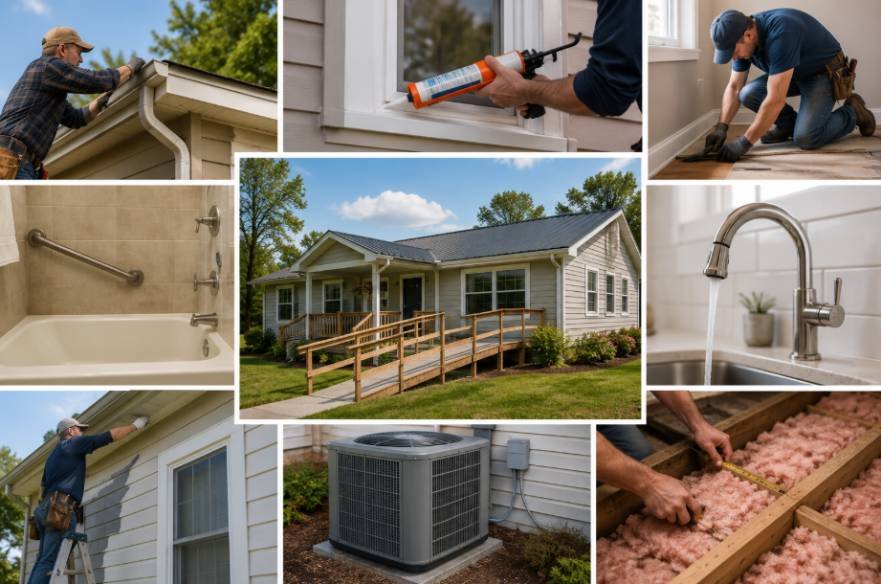
The program focuses on repairs that improve safety, accessibility, and the home’s basic condition.
Common examples include:
- Repairing or replacing damaged roofs
- Fixing electrical or plumbing hazards
- Repairing heating or cooling systems
- Improving accessibility for older adults or people with disabilities
- Addressing structural problems that affect safe occupancy
- Removing health and safety hazards
If you’re also researching home rebuilding assistance after natural disasters, remember that disaster recovery programs often have different eligibility requirements and funding sources than the USDA Section 504 program.
How to Prepare Before You Apply
One of the easiest ways to avoid delays is preparing your paperwork before contacting your local USDA Rural Development office.
Before requesting funding, homeowners should estimate energy-efficient home upgrade costs for projects such as insulation, HVAC replacement, efficient windows, or weatherproofing so they can document realistic repair needs and potential funding gaps.
Having these documents ready can make the process smoother:
- Proof of home ownership
- Recent tax returns or income statements
- Benefit letters, if applicable
- Identification documents
- Information about the repairs you need
It’s also helpful to create a list of the home’s most urgent repair needs. Clear documentation allows staff to better understand why assistance is being requested.
Mistakes That Often Delay Applications

Many applications take longer than expected because of small but avoidable issues.
Some homeowners submit incomplete income records, while others assume their property qualifies without checking the official eligibility map. Missing ownership documents or requesting funding for cosmetic improvements instead of essential repairs can also slow the review process.
Taking time to verify every requirement before applying usually saves weeks of unnecessary back-and-forth communication.
Frequently Asked Questions
1. Who can apply for the USDA Section 504 Home Repair Program?
Eligible homeowners must own and live in the home, meet income limits, live in an eligible rural area, and be unable to obtain affordable credit elsewhere.
2. Can younger homeowners receive grant funding?
No. Grants are generally limited to homeowners who are at least 62 years old and need to remove health or safety hazards. Younger applicants may still qualify for low-interest loans.
3. How do I know if my property is considered rural?
The USDA Property Eligibility Tool is the easiest way to check. Some small towns qualify even if they don’t seem rural at first glance.
4. What repairs usually receive funding?
The program typically supports essential repairs that improve safety, accessibility, structural integrity, or basic living conditions instead of cosmetic upgrades.
Knowing the Rules Makes the Process Much Easier
Applying for financial assistance doesn’t have to feel overwhelming. Most homeowners run into trouble because they’re trying to interpret government language instead of focusing on the actual requirements. Once you understand who qualifies, what documents you’ll need, and which repairs are covered, the application process becomes much less intimidating.
A little preparation today can make it much easier to protect your home tomorrow.