



Planning a greener home feels exciting until the quotations begin arriving. I have learned that energy-efficient home upgrade costs rarely come from one simple purchase. The final bill may include materials, labour, testing, permits, repairs, disposal fees and electrical work.
A realistic budget should consider immediate spending and long-term value. Some improvements reduce energy consumption quickly, while others mainly improve comfort, indoor air quality or maintenance. Understanding these differences helps you spend money where the results will matter most.
What Changes the Final Price?
Two similar homes can receive very different estimates because several property-specific factors affect the work.
Property Size and Condition
Larger homes generally need more insulation, longer duct runs and higher-capacity equipment. Older properties may also contain outdated wiring, moisture damage, different air flow modes and wall cavities.
Some problems only become visible after testing or opening a small area. An early quotation may therefore change after the contractor inspects the attic, crawl space, roof structure or electrical supply.
Labour and Access
Labour charges increase when installers must work in narrow spaces, high roof areas or finished rooms requiring careful protection. Removing old materials, repairing damaged surfaces and restoring interior finishes can also increase the final price.
Start With an Energy Assessment
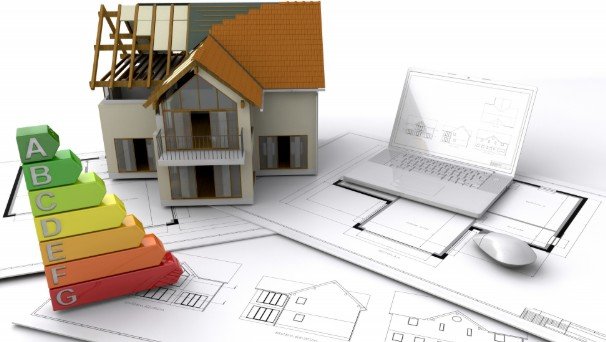
A home energy assessment can identify air leakage, weak insulation, inefficient equipment and uneven airflow. It may include thermal imaging, blower-door testing, safety checks and a review of previous energy use.
Although the assessment adds an upfront expense, it can prevent expensive mistakes. New windows may seem essential, for example, while testing could reveal that attic gaps or leaking ducts are causing greater energy loss.
A useful report should rank improvements according to urgency, estimated savings, disruption and expected payback. It should also identify moisture and ventilation concerns before extensive air sealing begins.
Air Sealing and Insulation
Air sealing and insulation are often sensible starting points because they reduce unwanted heat movement and help heating and cooling systems operate efficiently.
Attics and Roof Areas
Attic work may involve sealing gaps around pipes, wiring, chimneys, lights and access hatches. Insulation can then be installed using fibreglass, cellulose, mineral wool, rigid boards or spray foam.
The price depends on the selected material, required insulation depth, ventilation needs and whether damaged or contaminated insulation must be removed.
Walls, Floors and Crawl Spaces
Wall insulation may be more disruptive because installers sometimes need to drill access holes or remove sections of the interior finish. Crawl spaces may require moisture barriers, pest repairs or drainage improvements.
A very cheap quotation is not always good value. Effective insulation depends on complete coverage, suitable materials and proper moisture control.
Heating, Cooling and Ventilation
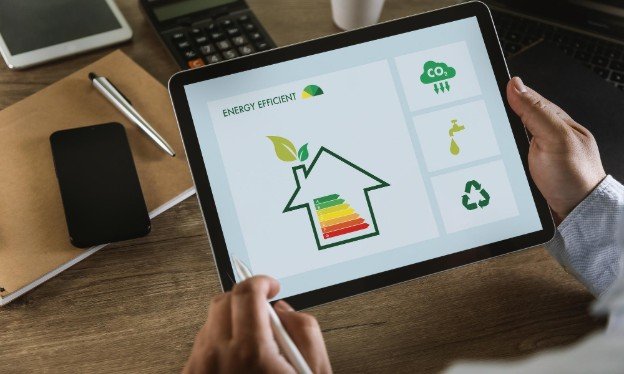
Heating and cooling improvements are often among the largest expenses in an efficiency project. Common options include heat pumps, efficient boilers, modern air conditioners, smart controls and improved ventilation.
Equipment Is Only One Expense
The advertised equipment price may exclude wiring, drainage, thermostats, refrigerant lines, duct modifications and removal of the old system.
Correct sizing is equally important. Oversized equipment can cycle too frequently, create uneven temperatures and manage humidity poorly. A qualified contractor should calculate the property’s heating and cooling requirements instead of simply matching the previous unit.
Ductwork Can Affect Performance
Leaking, crushed or poorly insulated ducts can reduce the benefit of efficient equipment. Duct sealing, balancing, insulation or replacement may therefore need to be included in the same project.
Homes without existing ducts may use ductless systems, although the number of indoor units, installation difficulty, and the cost of structural changes will affect the total price.
Windows, Doors and Shading
Efficient windows can reduce drafts, heat transfer and outside noise, but replacing every window can be expensive. Custom sizes, structural repairs, premium frames and difficult access increase installation charges.
Before arranging complete replacement, consider weatherstripping, caulk, insulated curtains, exterior shading or window film. These lower-cost solutions may correct part of the problem.
Doors may also need only new seals, thresholds or glazing rather than complete replacement.
Water Heating and Appliances
Water-heating improvements include heat-pump water heaters, efficient storage tanks, pipe insulation and low-flow fixtures. Installation expenses can increase when drainage, ventilation or electrical work is required.
Replacing a working appliance early may not always provide the best return. Compare its current energy use, repair history, capacity and remaining lifespan before purchasing a replacement.
Solar Panels and Battery Storage
The financial value of solar panels depends on roof condition, shading, system size, household electricity use and local export arrangements. Necessary roof repairs should normally be completed before installation.
Battery storage provides backup electricity and allows stored solar energy to be used later. However, it can increase the overall budget considerably. Backup-power benefits should be evaluated separately from possible bill savings.
How to Prioritise the Work
Begin by resolving safety, moisture and structural problems. Next, reduce uncontrolled air leakage and improve insulation. Heating, cooling and water-heating equipment can then be sized for the improved building.
Low-cost improvements include weatherstripping, pipe insulation, LED lighting and simple controls. Medium-budget work may include attic insulation, duct repairs and exterior shading. Larger projects can involve heat pumps, window replacement, solar panels and electrical modernisation.
Following this order reduces the risk of purchasing equipment that is larger or more expensive than the property actually needs.
Frequently Asked Questions
1. What Are Typical Energy-Efficient Home Upgrade Costs?
Typical energy-efficient home upgrade costs vary because a small air-sealing job and a complete property retrofit have very different scopes. Compare several itemised quotations before choosing a contractor.
2. Which Upgrades Usually Save Money Fastest?
Air sealing, insulation corrections, duct repairs and better controls often provide noticeable benefits without requiring the cost of major equipment replacement.
3. Should Windows Be Replaced First?
Not automatically. Check insulation, air leakage and ductwork first because these areas may be responsible for more energy loss than the windows.
4. Is a Contingency Fund Necessary?
Yes. A contingency fund can cover hidden damage, access problems, permit changes and extra work discovered after installation begins.
The Smarter Finish
I would treat an efficient-home renovation as a carefully planned sequence rather than a shopping list. The best results come from understanding the building, repairing its basic weaknesses and selecting equipment that suits the improved property.
By comparing the installed price, expected savings, comfort benefits, maintenance requirements and equipment lifespan, I can make decisions based on long-term value instead of the cheapest quotation. Careful planning makes these upgrade expenses easier to manage and reduces the chance of paying for a solution that does not address the real problem.