




Unlocking home equity feels like discovering hidden cash in an old coat pocket, but understanding how does a heloc draw period work remains the real key to financial peace of mind. As a dedicated team of home equity advisors, we have walked thousands of homeowners through this exact borrowing phase so they never face unexpected payment spikes.
Key Takeaways
- Borrow funds up to your set credit limit anytime during the initial phase.
- Enjoy low interest-only required monthly payments while borrowing flexibility lasts.
- Draw periods typically span five to ten years depending on lender terms.
- Voluntary principal payments during the draw replenish your available borrowing line.
- Preparing early prevents payment shock when entering full amortization later.
Decoding the Draw Phase Mechanics
Understanding the foundational mechanics of a home equity line of credit protects your long-term wealth.
The Basics of Revolving Credit Lines
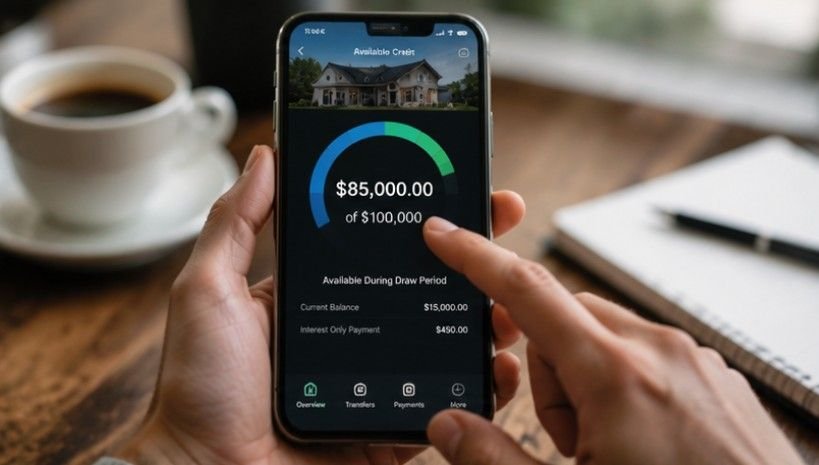
Revolving credit gives you continuous access to funds as you pay down your principal balance. A home equity line functions much like a credit card backed by your home equity. You receive an approved credit limit based on appraised home value and mortgage debt. You can spend as little or as much as necessary during this active borrowing timeframe.
Minimum Payments vs Principal Reductions
Choosing how much you pay each month determines your total interest costs over time. Lenders usually require only interest-only payments on drawn funds during this active period. While keeping required payments extremely low feels convenient, skipping principal payback leaves your initial debt entirely intact. Paying extra directly shrinks your debt burden and reopens credit.
Variable Interest Rate Dynamics
Variable rates fluctuate alongside benchmark prime rates and directly impact your monthly interest obligations. Most home credit lines carry adjustable rates tied directly to Federal Reserve policy moves. When federal benchmark rates rise, your monthly required minimum payment increases automatically even if you borrow no extra cash. Watching interest rate trends helps maintain a healthy household budget.
How Does a HELOC Draw Period Work in Action
Accessing funds during the draw window gives you flexibility, allowing convenience through checks, debit cards, or online transfers.
Accessing Your Line of Credit
When exploring how does a HELOC draw period work in practice, withdrawing funds is incredibly straightforward. Major financial institutions like Bankrate highlight that homeowners can access capital incrementally as contractor bills or life expenses arrive.
You only owe interest on what you spend rather than the full approved credit limit. Repaid principal becomes immediately available for future withdrawal needs.
Making Flexible Monthly Payments
During this open window, you are required to pay only the interest on the exact amount you borrowed. You retain full control to make voluntary principal payments at any point to cut future costs. Keeping mandatory payments low gives your budget breathing room during major projects or unexpected life events.
The Magic of Revolving Credit
As you pay back the principal balance during this phase, those funds become available to borrow again. This circular design lets you reuse your equity repeatedly for fresh expenses without reapplying for new loans. It operates just like a credit card, but with much better borrowing rates.
What Happens When the Open Borrowing Window Closes
Knowing the stark operational differences between both borrowing stages prepares you for financial success.
Navigating the Mandatory Repayment Phase
Once borrowing ends, your remaining principal amortizes into mandatory monthly principal and interest payments. The total borrowing line freezes permanently, preventing any additional cash withdrawals.
Repayment terms usually stretch across ten to twenty years. Each required monthly invoice now combines principal reduction with accrued interest until the account reaches zero balance.
Managing the Sudden Payment Jump
Transitioning to full principal payback can double or triple your regular bill if you only pay interest. Financial authorities like PNC Bank emphasize that payment shock catches many unprepared homeowners off guard.
A modest monthly interest bill transforms rapidly into a substantial full debt installment. Setting money aside early cushions this unavoidable structural shift.
Planning Ahead for Smooth Transition
Preparing early guarantees a seamless shift without financial stress when your active draw period concludes. You can choose to pay down principal aggressively prior to the cutoff date or refinance into a fixed-rate loan. Evaluating your loan options early keeps your monthly cash flow completely safe and predictable.
Also Read: credit score needed for HELOC
Real-Life Draw Period Strategies for Smart Homeowners
Executing smart borrowing tactics turns a flexible credit line into a powerful wealth-building asset.
Funding High-ROI Home Improvements
Strategic home renovations increase property value while offering potential tax deductions on loan interest. Remodeling kitchens, replacing roof shingles, or building secondary living suites build equity.
Using revolving cash incrementally prevents over-borrowing during construction delays. You maintain tight control over total interest expenses by taking funds strictly as invoices mature.
Consolidating High-Interest Debt Safely
Replacing high-rate credit cards with a lower HELOC rate lowers monthly out-of-pocket interest expenses. Unsecured personal debt carries high interest rates that drain household cash flow quickly.
Transferring balances into a home-backed credit line cuts interest costs significantly. Homeowners must remain disciplined to avoid running up credit cards again while securing their home against debt.
Building an Early Principal Paydown Routine
Making small voluntary principal payments during the draw window dramatically reduces future repayment burdens. Treating your line like a standard loan builds automatic equity recovery.
Adding even fifty dollars extra toward principal each billing cycle slashes long-term compounding interest charges. This gentle habit eliminates potential stress when the borrowing window closes.
Smart Options When Your Credit Window Expires
Planning your exit strategy well before borrowing expires guarantees seamless transition without financial stress.

Refinancing Into a New HELOC
Rolling over an existing line allows continuous borrowing flexibility if home equity levels remain healthy. Many lenders allow homeowners to apply for a brand new credit line as expiration nears. Approved applications reset the active borrowing clock back to year one. Existing balance rolls forward smoothly without forcing immediate full amortization obligations.
Converting to a Fixed-Rate Equity Loan
Locking in a fixed interest rate provides predictable monthly payments and eliminates rate fluctuation risk. Leading lenders offer fixed-rate conversion options during active borrowing periods. Converting variable debt into fixed loan segments shields your budget from rising interest benchmark trends. You gain clear amortization schedules that simplify long-term financial goals.
Paying Off the Balance Early
Eliminating debt ahead of schedule saves significant interest without triggering hidden lender fees. Checking loan terms ensures your contract contains zero prepayment penalty clauses. Using annual work bonuses, tax refunds, or asset sales pays down balance fast. Clearing the total balance before expiration lets you transition smoothly into zero-debt comfort.
Frequently Asked Questions
1. Do you have to pay back HELOC during the draw period?
No, you are generally required to pay only the monthly interest on drawn funds during the draw period. Paying back principal is completely optional, though doing so restores your available credit limit for future home projects.
2. What is the monthly payment on a $50,000 HELOC?
During an interest-only draw period at an 8.5% rate, the monthly payment on a $50,000 balance is roughly $354. Once repayment begins over twenty years, payments jump to approximately $434 monthly due to required principal payoff.
3. Is a 5-year draw period common for a HELOC?
Yes, five-year draw periods are quite common, though ten-year terms are standard among major US lenders. Draw lengths depend entirely on lender offerings, credit profile requirements, and chosen mortgage agreements.
4. What is the smartest way to pay off a HELOC?
The smartest way is making voluntary principal payments during the draw period to lower total balance. Alternatively, locking in a fixed interest rate prevents rate-hike surprises when entering full amortization later on.
How does a heloc draw period work for beginner borrowers?
Understanding how does a heloc draw period work for beginners comes down to recognizing it acts as a flexible borrowing window. You pay interest only on what you spend while keeping principal payment options open.
Time to Party With Mastering HELOC Draw Period Like a Pro
Navigating how does a heloc draw period work gives you total financial freedom when managing major home goals. By treating your credit line wisely, making extra principal payments early, and planning for the eventual repayment transition, you protect your home equity and avoid monthly payment surprises. Start planning your payoff strategy today to maximize every dollar of home value.