




Getting comfortable with your home equity line of credit feels great until the clock runs down and you start wondering what happens when HELOC draw period ends. Navigating this milestone does not have to stress you out if you understand the transition from flexible borrowing to structured debt repayment. Let us break down everything you need to know about your changing monthly obligations and how to handle them like a pro.
Key Takeaways
- The draw period typically ends after 10 years, stopping any new cash advances.
- Monthly payments increase because you begin repaying both principal and interest.
- HELOCs with a zero balance usually close automatically once the draw period expires.
- Borrowers may refinance, modify loan terms, or pay off the balance in full.
- Planning ahead helps avoid payment shock and unnecessary financial stress.
Decoding What Happens When HELOC Draw Period Ends
Unlike a traditional loan that provides one lump sum upfront. To understand difference between HELOC vs home equity loan gives homeowners flexible access to funds during a specific borrowing window. Because many borrowers become accustomed to interest-only payments and easy access to credit, the end of the draw period can feel like an abrupt financial shift.
Understanding this process well before your draw period expires gives you time to prepare your finances, compare available options, and avoid unnecessary surprises.
Understanding the Two Phases of a HELOC
Before discussing repayment, it helps to understand how a HELOC is structured.
The Draw Period
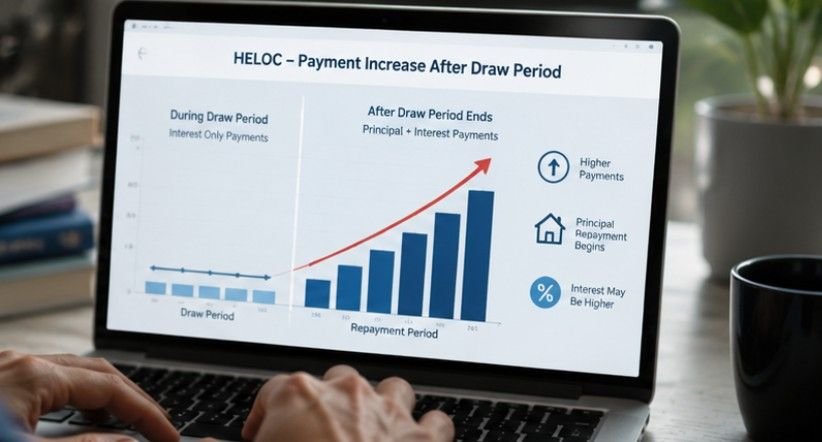
During the draw period, borrowers can access available funds whenever needed, provided they stay within their approved credit limit. Most lenders require only interest payments during this stage, keeping monthly costs relatively low. This flexibility makes HELOCs popular for home renovations, education expenses, emergency funds, and other large purchases.
The Repayment Period
Once the draw period expires, the repayment phase automatically begins according to your loan agreement. At this point, you can no longer withdraw additional money from your credit line. Instead, your focus shifts entirely to paying back what you borrowed over the remaining repayment term.
The Big Shift Into Repayment Mode
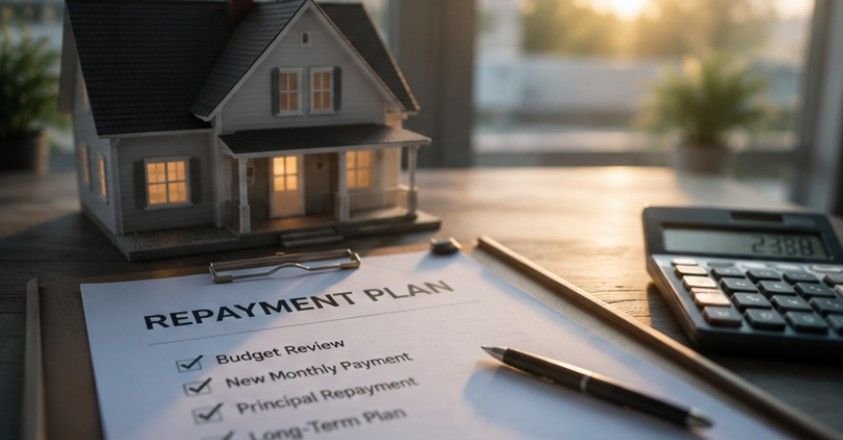
Understanding this transition helps you prepare your household budget for sudden payment changes. When your initial timeline expires, your account locks instantly and you lose all borrowing privileges. You enter the active repayment phase where monthly bills include both the borrowed principal and ongoing interest. This change often triggers payment shock because your monthly statements will be much higher than those old interest-only bills.
The exact increase depends on several factors, including your outstanding balance, interest rate, and remaining repayment period. Some borrowers experience only a modest increase, while others may see their monthly obligation nearly double. Reviewing your lender’s repayment schedule ahead of time helps you estimate future costs accurately.
How Payment Changes Affect Your Budget
One of the biggest adjustments after the draw period ends is adapting to larger monthly payments. Since principal repayment begins immediately, households with tight budgets may need to reduce discretionary spending or adjust other financial priorities.
Creating a revised monthly budget before repayment starts helps ensure you can comfortably manage the new payment without relying on additional debt. Building an emergency fund alongside your repayment plan also provides extra financial stability if unexpected expenses arise.
Actionable Steps for Your Credit Line
Taking control of your finances early ensures you avoid nasty surprises down the road. Review your monthly statements closely to find your exact expiration date and current outstanding balance. Contact your lender several months in advance to explore fixed-rate lock options or refinancing possibilities. Make extra lump-sum payments during your remaining time to chip away at the principal balance.
You should also monitor interest rate trends if your HELOC carries a variable rate. Even small changes in market rates can significantly affect future monthly payments. Speaking with your lender early gives you more flexibility than waiting until repayment has already begun.
Smart Options If Payments Spike
Exploring alternative financial choices keeps your household budget safe and secure. You can apply for a brand new credit line or home equity loan to pay off the old balance entirely. Some homeowners choose a cash-out refinance to bundle their primary mortgage and second lien into one predictable monthly bill. Speaking with a housing counselor or bank representative helps uncover tailored hardship modifications if your income has shifted.
Each option comes with its own advantages and costs. Comparing interest rates, closing costs, repayment terms, and eligibility requirements helps determine which solution best matches your financial goals.
Common Mistakes to Avoid
Waiting Until the Last Minute
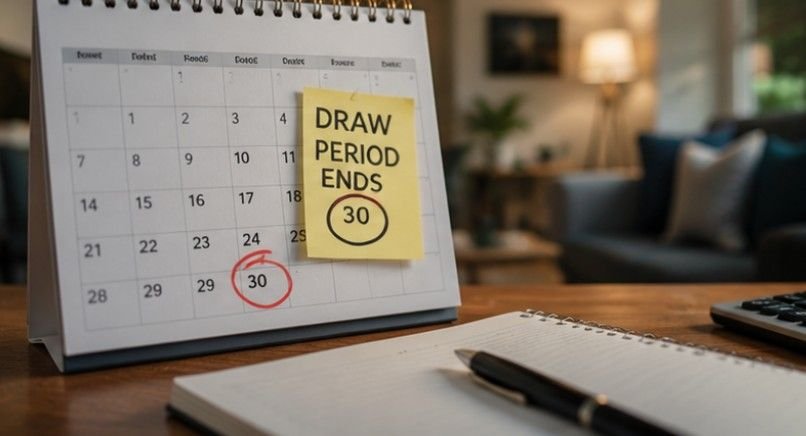
Many borrowers ignore their expiration date until the first higher payment arrives. Planning several months ahead gives you enough time to evaluate refinancing options, stick to your budget, and reduce your outstanding balance.
Assuming Payments Will Stay the Same
Interest-only payments during the draw period can create a false sense of affordability. Understanding that principal repayment will eventually begin helps you prepare for higher monthly expenses.
Ignoring Communication From Your Lender
Lenders usually send reminders before the draw period expires. Reading these notices carefully ensures you understand upcoming payment changes, available assistance programs, and important deadlines.
Frequently Asked Questions
1. What happens to a HELOC after the draw period ends?
Your account closes to new withdrawals permanently, and you must begin making monthly payments toward both the principal balance and accrued interest over a set amortization term.
2. What is the shortest draw period available for a HELOC?
While 10 years remains the industry standard, some specialized lending institutions offer shorter draw timelines starting at three to five years depending on specific program guidelines.
3. Can you end the HELOC draw period early?
Yes, you can voluntarily close your account and pay off your remaining balance in full at any time without facing standard prepayment penalties on most standard consumer agreements.
4. Can you extend a HELOC draw period?
Most traditional lenders do not allow direct extensions on existing contracts, meaning you must officially reapply or refinance to secure a fresh revolving line of credit.
Sailing Smoothly Into Financial Freedom
Knowing what happens when HELOC draw period ends empowers you to protect your home equity and budget. By planning ahead, evaluating your refinancing choices, and talking with your lender, you can turn a stressful deadline into a smooth financial victory.
Every homeowner’s financial situation is different, but preparation remains the key to a successful transition. Understanding your loan terms, reducing your balance whenever possible, and exploring repayment strategies before the draw period expires can help you move confidently into the next phase of homeownership without unnecessary financial strain.