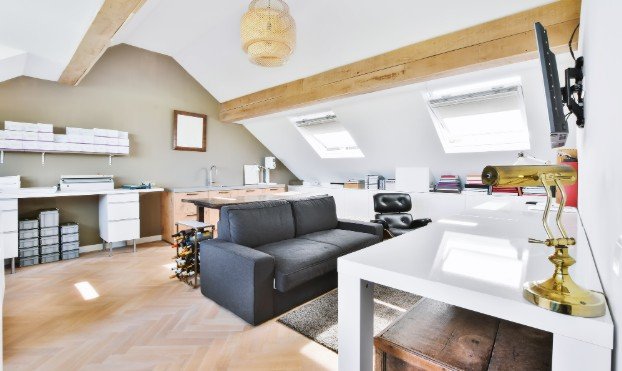






Replacing worn or outdated flooring can transform a room, but the final bill usually includes more than new planks, tiles, or carpet. I have learned that understanding flooring replacement cost by material before requesting quotes makes it easier to compare options, identify missing charges, and build a realistic budget.
Material choice has the biggest influence on price, yet removal, subfloor repairs, installation method, room shape, waste, and finishing work can change the total. A useful estimate should separate these stages rather than provide one vague price.
Average Floor Replacement Cost
Floor replacement may cost about $4 to $20 or more per square foot with materials and professional installation. Sheet vinyl, basic laminate, and entry-level carpet sit near the lower end. Hardwood, natural stone, premium tile, and decorative patterns can cost considerably more.
Small bathrooms, hallways, stairs, and irregular rooms may cost more per square foot because they require extra cutting and detailed work.
Cost of Popular Flooring Materials
Vinyl and Luxury Vinyl
Sheet vinyl is one of the most affordable choices. Luxury vinyl plank and tile cost more but provide stronger wear layers and realistic wood or stone effects.
Floating floors may reduce labor. Glue-down products often need more preparation, especially when old adhesive must be removed.
Laminate Flooring
Laminate delivers a wood-like appearance at a lower price than most hardwood. Water-resistant boards, thicker cores, attached underlayment, and textured finishes increase the cost.
Its floating installation can be efficient, but uneven subfloors must be corrected to prevent movement, gaps, or noise.
Carpet
Carpet prices depend on fiber, pile, density, backing, padding, and layout. Basic synthetic carpet is usually affordable, while wool, patterned designs, and premium stain-resistant products cost more.
Quotes should include old carpet removal, padding, tack strips, transitions, furniture moving, stair fitting, and any adjustments linked to energy efficient home upgrade costs.
Engineered and Solid Hardwood
Engineered wood handles moisture and temperature changes better than many solid products.
Solid hardwood generally costs more, but its long lifespan and refinishing potential can improve value. Species, board width, grade, finish, and pattern affect pricing.
Ceramic, Porcelain, and Stone
Ceramic tile is often cheaper than porcelain, handmade tile, marble, or natural stone. Costs rise when demolition, waterproofing, floor reinforcement, or leveling is required.
Mosaics, diagonal layouts, borders, narrow grout lines, and large tiles also increase labor because they demand careful cutting.
Bamboo, Cork, Concrete, and Epoxy
Bamboo offers a wood-like look, although quality differs. Cork feels warmer and quieter but needs protection from moisture and heavy furniture.
Concrete and epoxy can appear simple, yet cracks, stains, coatings, and uneven surfaces may require substantial preparation.
Removal and Subfloor Preparation
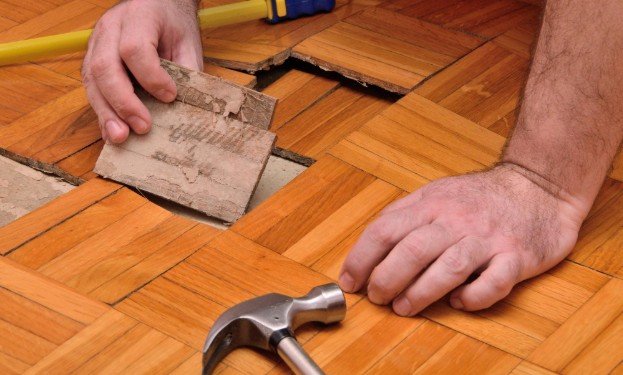
Removing carpet or floating laminate is easier than lifting glued vinyl, mortar-set tile, or nailed hardwood. Heavy debris can increase disposal fees.
Once the old floor is removed, installers may uncover damaged plywood, loose boards, moisture, mold, adhesive residue, or uneven concrete. Patching, grinding, leveling, sanding, and subfloor replacement should appear as separate quote items.
Hidden Flooring Expenses
Underlayment, moisture barriers, adhesives, grout, fasteners, baseboards, thresholds, and transition strips are often overlooked. Doors may need trimming when the new floor changes height.
Other charges can include moving appliances, removing toilets, clearing furniture, protecting nearby rooms, working in occupied spaces, and testing older materials. A contingency of 10% to 15% can cover unexpected preparation.
Cost by Project Size
A 200-square-foot room with affordable flooring may remain manageable, while hardwood or stone can cost several times more. On 500- or 1,000-square-foot projects, even a small material-price difference significantly affects the total.
Add about 5% to 10% for waste in simple rooms. Complex patterns and unusual layouts may need more. Confirm whether closets, alcove architectures, stairs, and doorways are included.
How to Estimate the Total

Multiply the room area by the material price, then add waste, labor, removal, disposal, subfloor preparation, underlayment, trim, and finishing work.
Request itemized quotes from several qualified installers. Compare what each includes rather than selecting the lowest total immediately. A cheaper estimate may exclude disposal, furniture moving, or preparation.
Repair, Refinish, or Replace?
Replacement is not always necessary. Hardwood may be refinished, isolated tiles can be repaired, and minor carpet damage may be stretched or patched.
Full replacement makes more sense when damage is widespread, moisture has affected the base, the surface cannot be refinished again, or repeated repairs would leave an uneven appearance.
Frequently Asked Questions
1. What Affects Flooring Replacement Cost by Material the Most?
The main factors are product quality, room size, installation method, old-floor removal, subfloor condition, labor rates, pattern complexity, and finishing requirements.
2. Which Flooring Is Usually Cheapest to Replace?
Sheet vinyl, entry-level laminate, and basic carpet are commonly among the cheapest options. Preparation needs can still make an inexpensive material costly.
3. Is DIY Flooring Replacement Cheaper?
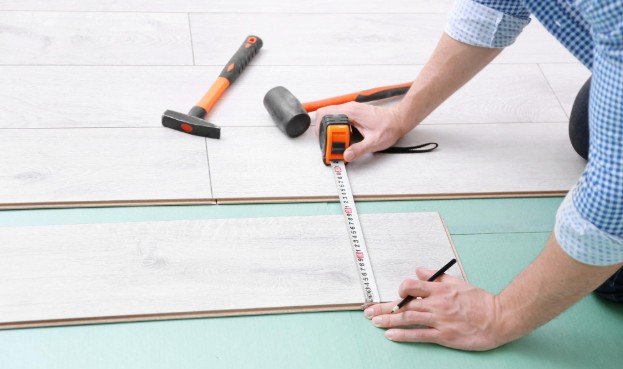
DIY work can reduce labor charges for simple click-lock floors. However, measuring mistakes, poor preparation, and incorrect expansion gaps can lead to repairs.
4. How Long Does Replacement Take?
A simple room may take one or two days. Tile demolition, moisture repairs, leveling, detailed patterns, and curing time can extend the schedule.
Final Thoughts
I would never choose flooring using the material price alone. The smarter approach is to compare complete installed cost, lifespan, maintenance, moisture resistance, and future repair options.
A detailed quote should explain removal, preparation, waste, finishing, and disposal. Once those details are clear, it becomes easier to choose a floor that suits the room and the long-term budget carefully.