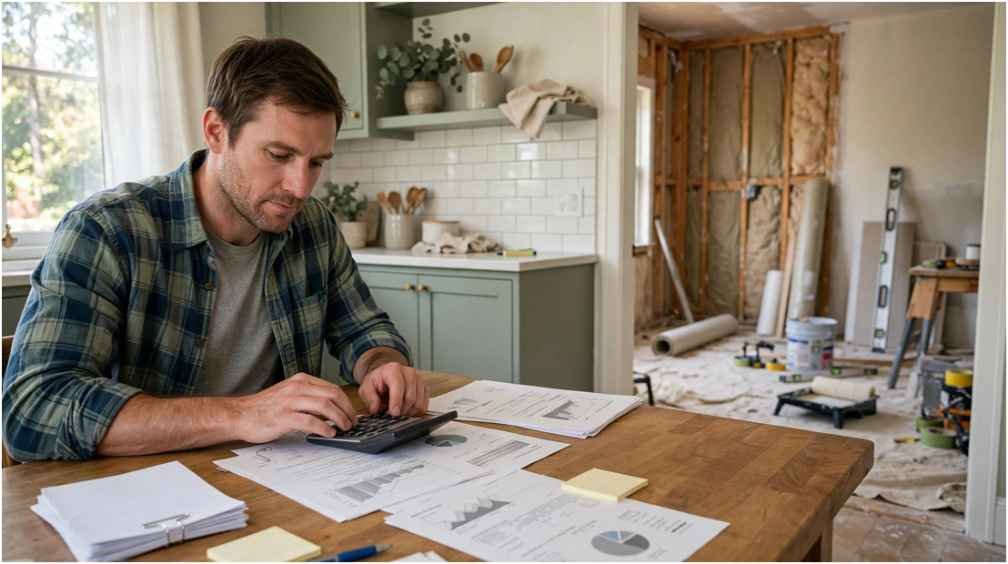


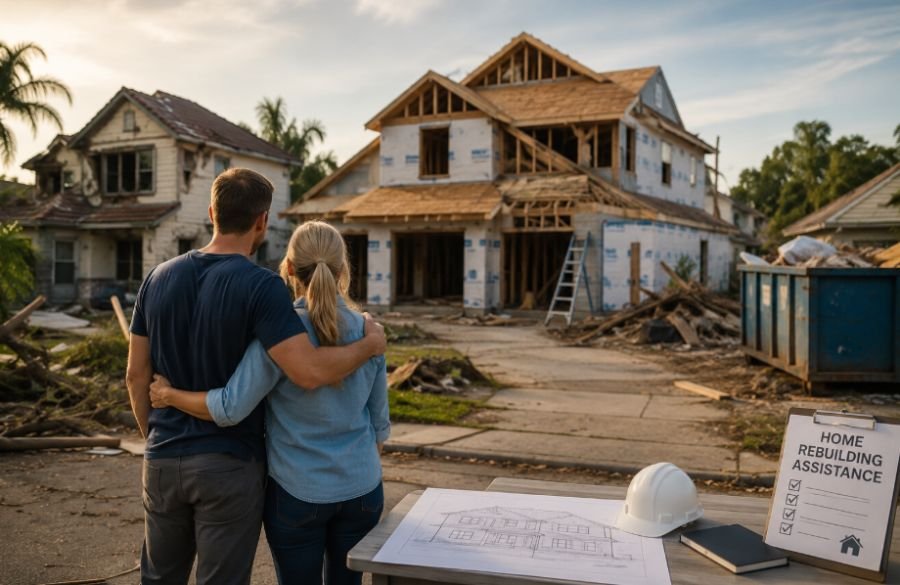
I still remember talking to a homeowner who kept putting off a small roof repair because the estimate was higher than a month’s income. They weren’t dreaming about a luxury kitchen or a bigger living room. They just wanted to stop the water from dripping into their bedroom every time it rained. That conversation changed the way I looked at home repair. For many families, fixing a home isn’t about improving appearances. It’s about protecting the place they rely on every single day.
The more I learned, the more I realized many people don’t know help is available. Renovation assistance programs for low-income homeowners aren’t widely discussed until someone is facing an emergency. These programs can help cover repairs that improve safety, restore livability, and allow people to remain in their homes instead of being forced to move because maintenance became unaffordable.
Why Home Repairs Become Bigger Problems Over Time
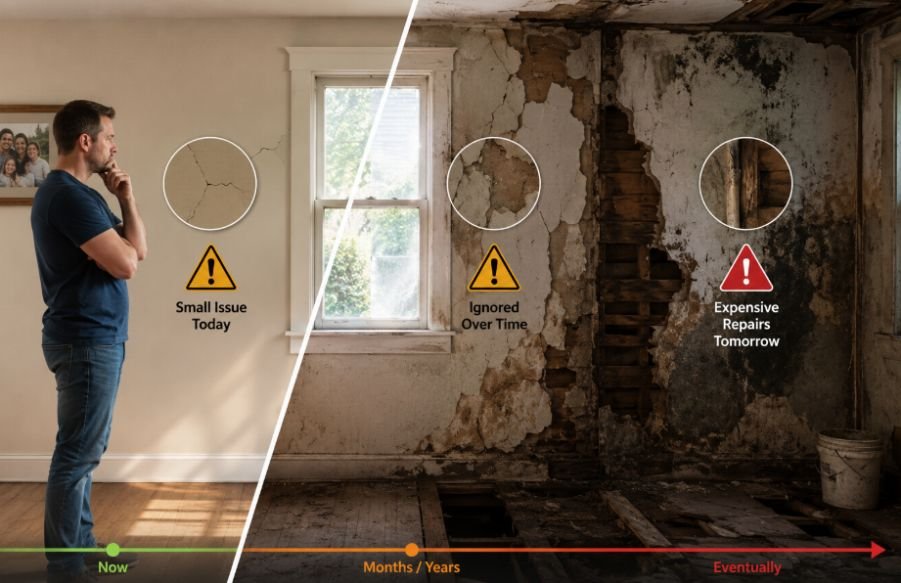
Most home repairs don’t begin as emergencies. A loose roof shingle turns into a leak. A small plumbing issue causes water damage behind the walls. An aging furnace becomes unreliable during winter. Waiting usually makes every repair more expensive.
Rising labor costs and material prices have made home maintenance even harder for households on limited incomes. When choosing between paying monthly bills and replacing damaged flooring or repairing faulty wiring, many families understandably postpone repairs. Unfortunately, delaying essential maintenance often creates health and safety risks that are far more expensive to fix later.
That’s where renovation assistance programs can make a meaningful difference.
What Renovation Assistance Programs Usually Cover
Many homeowners assume these programs pay for complete home remodels, but that’s rarely the case. Most assistance focuses on repairs that improve safety, accessibility, and the overall condition of the home.
Commonly approved projects include:
- Roof repairs or replacement
- Electrical and plumbing repairs
- Heating and cooling system upgrades
- Structural repairs
- Accessibility improvements like ramps and grab bars
- Mold, lead paint, or other health hazard removal
- Weatherization and energy-efficient improvements
The goal is to make homes safer, healthier, and more functional rather than funding cosmetic upgrades.
Understanding the Different Types of Assistance
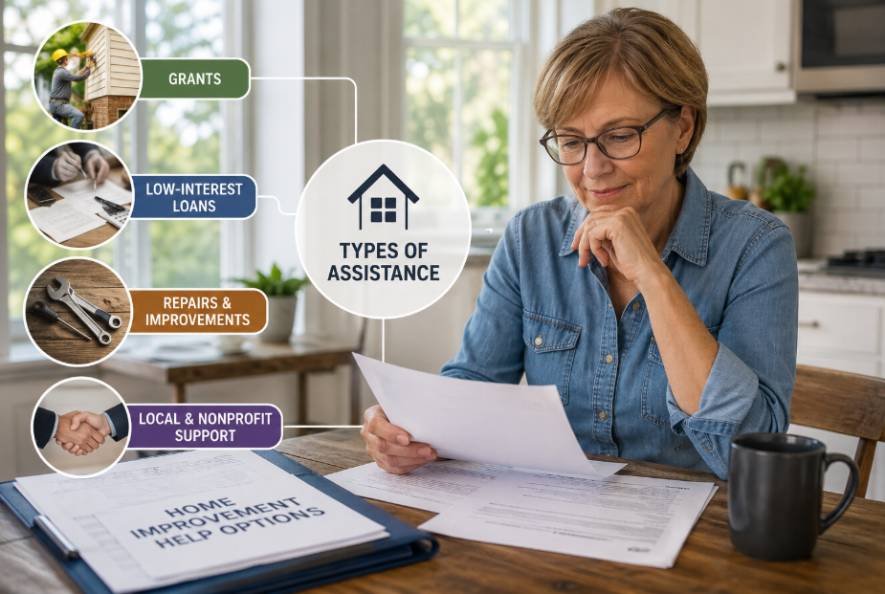
Not every program works the same way, which is why understanding the options before applying can save both time and frustration.
Grants
Grants don’t have to be repaid as long as program requirements are met. They are commonly reserved for homeowners with very low incomes, older adults, or people living with disabilities who need urgent health and safety repairs.
Because funding is limited, grant programs often prioritize projects involving structural damage, accessibility needs, or hazardous living conditions.
Low-Interest Loans
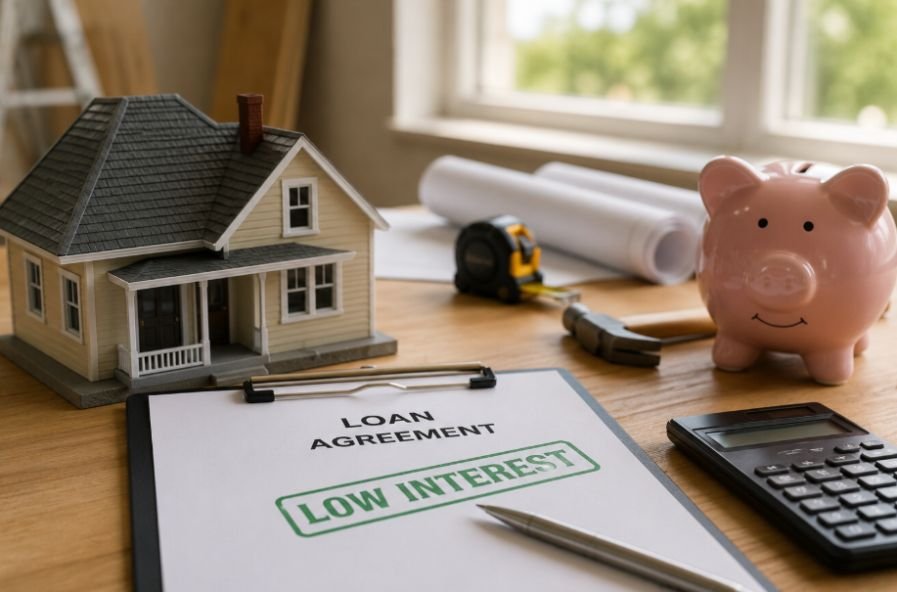
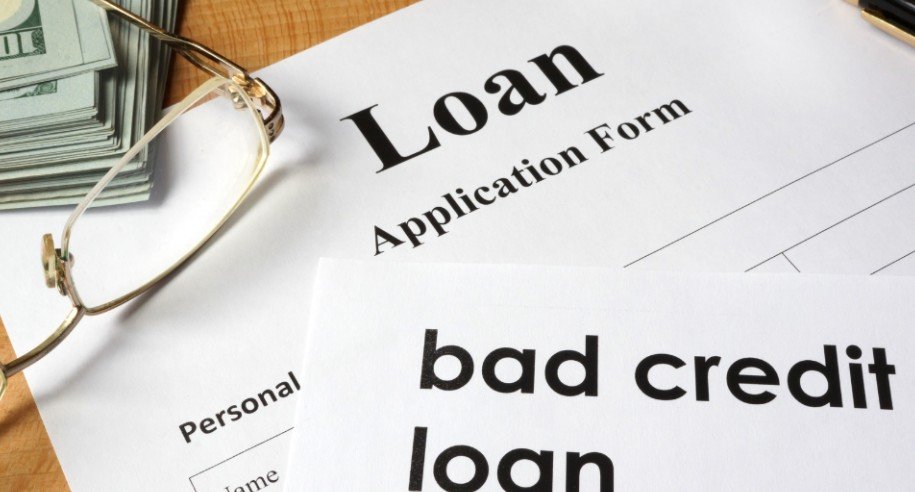
Some repairs cost more than grant funding can cover. Low-interest home improvement loans provide another option, often offering affordable repayment terms and interest rates that are much lower than traditional financing.
Programs such as the USDA Section 504 Home Repair Program can provide loans for eligible homeowners who need larger repairs while keeping monthly payments manageable.
Community Repair Programs
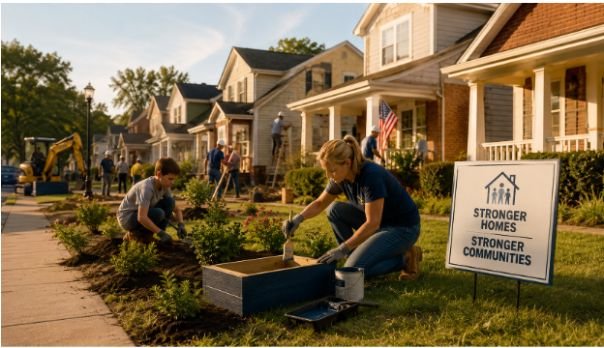
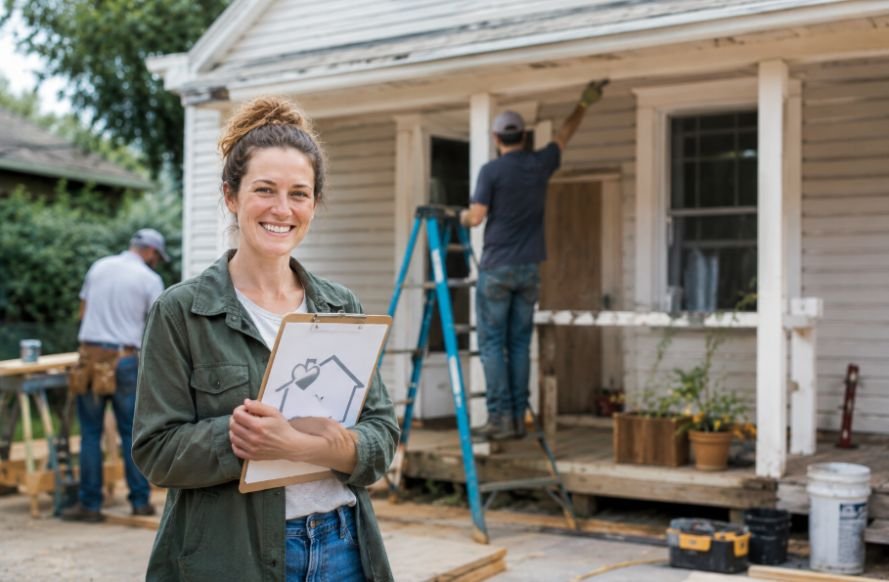
Not every source of help comes from government funding. Local nonprofits, volunteer organizations, and community partnerships frequently assist homeowners with smaller repairs, accessibility modifications, yard cleanup, and home maintenance projects.
These organizations can be especially valuable for seniors who may struggle to complete repairs on their own.
Who May Qualify for Assistance?
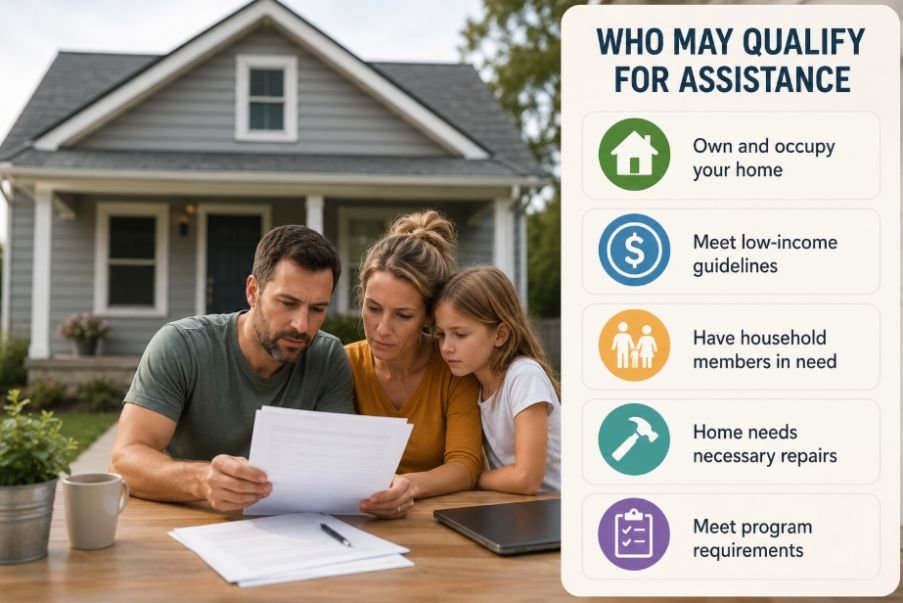
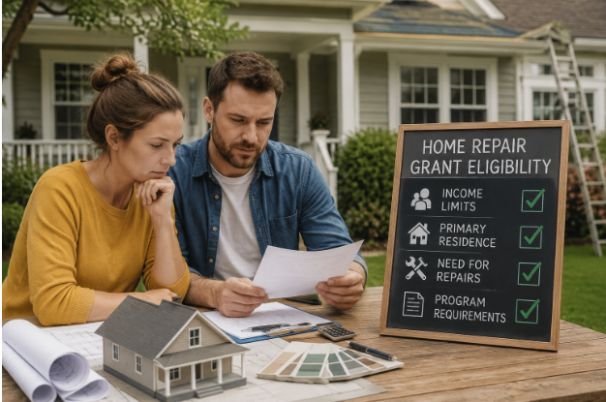
Eligibility depends on the specific program, but several factors appear consistently.
Most programs consider:
- Household income
- Primary residence status
- Property location
- Age or disability, for certain grants
- Type and urgency of the repair
Many counties and cities also operate their own housing rehabilitation programs with requirements that differ from federal assistance. Checking local housing agencies can uncover opportunities that many homeowners never realize exist.
Home Repairs That Deliver the Greatest Long-Term Value
Some repairs do more than fix immediate problems. They help preserve the home’s condition for years while preventing additional expenses.
Repairing a leaking roof protects insulation, drywall, flooring, and electrical systems from water damage. Replacing outdated wiring lowers fire risks. Installing ramps or widening doorways allows older adults and people with mobility challenges to remain safely in their homes.
Energy-efficient improvements can also reduce monthly utility bills, making homeownership more affordable over time.
If you’re also exploring environmentally focused upgrades, green home improvement government incentives may provide additional opportunities alongside eligible renovation assistance programs.
How to Improve Your Chances Before Applying

Applications are often delayed because documents are incomplete or homeowners apply for programs that don’t match their needs.
Before submitting an application, gather proof of income, property ownership, repair estimates, and photographs showing the condition of the home. Being organized makes it easier for agencies to determine eligibility and process requests.
It’s also worth contacting local housing offices before beginning repairs. Starting work too early may affect eligibility under certain programs.
Why These Programs Matter Beyond the Repairs
The biggest value of renovation assistance programs for low-income homeowners isn’t simply financial. Safe housing supports better health, greater independence, and stronger communities.
When essential repairs happen at the right time, families are less likely to face displacement, emergency expenses, or unsafe living conditions. A repaired roof, functioning heating system, or accessible entrance may seem like ordinary improvements, but they often provide the stability people need to remain comfortably in the homes they’ve worked hard to keep.
Frequently Asked Questions
1. What do renovation assistance programs usually pay for?
Most programs cover essential repairs such as roofing, plumbing, electrical work, heating systems, structural issues, weatherization, and accessibility improvements instead of cosmetic remodeling.
2. Do renovation grants have to be repaid?
Generally, no. Qualified grants usually don’t require repayment if program rules are followed, although requirements vary by program.
3. Who qualifies for home renovation assistance?
Eligibility often depends on household income, property ownership, residency, repair needs, and, in some cases, age or disability status.
4. Can homeowners receive more than one type of assistance?
Sometimes. Depending on local rules, homeowners may qualify for grants, low-interest loans, or nonprofit assistance that work together to cover different repair needs.
A Safe Home Is Worth Protecting
I think the biggest misconception is that renovation assistance is only about fixing buildings. After spending time learning how these programs work, I’ve come to see that they’re really about protecting people. A safer home means fewer health risks, less financial stress, and a better chance for families to stay where they’ve built their lives. That’s a value that’s hard to measure with a dollar amount alone.
Sometimes the most important home improvement isn’t adding something new. It’s making sure the home you already have remains safe for years to come.