




Clearing your property debt feels incredible, but wondering whether your banking institution will punish you for financial success adds unnecessary stress. Figuring out if can you pay off HELOC early without penalty depends entirely on your specific credit agreement, the state where you live, and how your financial institution handles early account closure fees.
Many homeowners choose a home equity line of credit (HELOC) because it offers flexible access to funds for renovations, emergencies, debt consolidation, or other major expenses. However, once your financial situation improves, paying off the balance ahead of schedule often becomes a priority. Before making that final payment, it is important to understand whether your lender charges any fees and how early repayment affects your account.
Understanding How HELOC Payoffs Work
Before making an early payoff, it helps to understand how most HELOC agreements are structured.
Flexible Borrowing During the Draw Period
A HELOC typically allows homeowners to borrow funds as needed during a draw period that often lasts around ten years. During this time, many borrowers only make interest payments, keeping monthly expenses relatively low while maintaining access to available credit.
Repayment After Borrowing Ends
Once the draw period expires, borrowers begin repaying both principal and interest. Some homeowners decide to eliminate the balance before reaching this stage to avoid higher monthly payments for mortgage refinancing and reduce long-term interest costs.
Penalties Versus Closing Fees
Understanding the distinct types of charges lenders apply helps you separate rare contractual penalties from standard cost recovery rules.
Many borrowers mistakenly assume every early payoff automatically results in a penalty. In reality, several different fees may apply depending on your lender’s policies, and understanding the difference helps you avoid unnecessary surprises.
Spotting True Prepayment Penalties

True prepayment penalties remain quite rare for standard home equity lines of credit today. Checking your original credit agreement ensures your specific banking institution does not charge a direct percentage fee for clearing your total balance too quickly.
Federal consumer lending regulations have made traditional prepayment penalties less common than they once were. Still, reviewing your loan documents carefully remains the safest approach because policies vary between lenders.
Understanding Lender Closing Cost Recapture
Lenders frequently cover your initial application expenses such as appraisals and title searches when you open the account. Closing the HELOC too soon, typically within thirty six months, forces you to pay those waived third party costs right back.
These recapture fees are designed to reimburse the lender for expenses they initially absorbed when opening your credit line. While they are not technically prepayment penalties, they can still increase the cost of paying off your HELOC early.
Managing Flat Early Closure Fees
Independent financial institutions sometimes trigger a flat administrative fee if you completely shut down the line of credit ahead of schedule. Keeping the account active prevents these specific penalties from hitting your monthly statement.
Although these fees are usually modest compared to interest savings, understanding whether they apply allows you to choose the most cost-effective repayment strategy.
How to Avoid Extra Costs
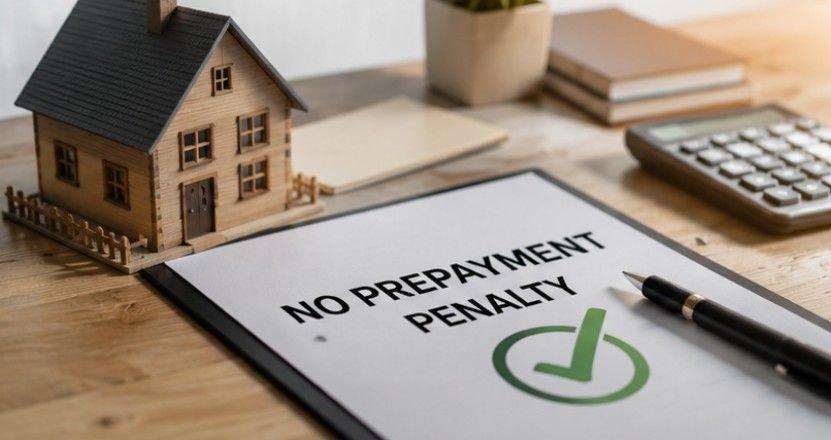
Following a smart, step by-step strategy allows you to clear your home equity balance safely without triggering unexpected lender penalties.
Start by reviewing your original HELOC agreement and identifying any sections discussing account closure, recapture fees, or administrative charges. If the language seems confusing, contact your lender directly for clarification rather than making assumptions.
It is also helpful to request an official payoff statement. This document outlines the exact amount required to satisfy your balance, including any accrued interest or applicable fees, ensuring there are no surprises on your final payment date.
Strategic Ways to Pay Off Your Debt Early
Executing a smooth debt elimination strategy requires careful planning and direct communication with your financial institution. Call your loan officer today and ask if an active early closure fee or penalty period applies to your specific account.
Pay down the principal balance to zero while keeping the revolving credit line open instead of formally closing it. This clever tactic avoids early closure or cost recapture fees while instantly stopping daily variable interest charges from accumulating on your home.
If you receive bonuses, tax refunds, or other unexpected income, consider applying those funds directly toward your principal balance. Even occasional extra payments can significantly reduce total interest costs over time and help you eliminate debt sooner.
Benefits of Paying Off a HELOC Early
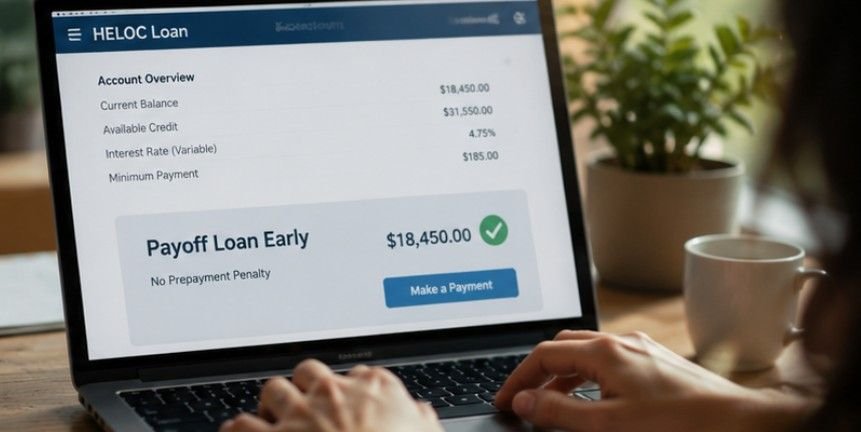
Save Money on Interest
Every extra principal payment reduces the balance on which interest is calculated. Over time, this can save homeowners hundreds or even thousands of dollars, especially if interest rates increase.
Improve Monthly Cash Flow
Eliminating your HELOC payment gives you greater financial flexibility. The money previously allocated toward debt repayment can be redirected toward retirement savings, emergency funds, investments, or future home improvements.
Reduce Financial Risk
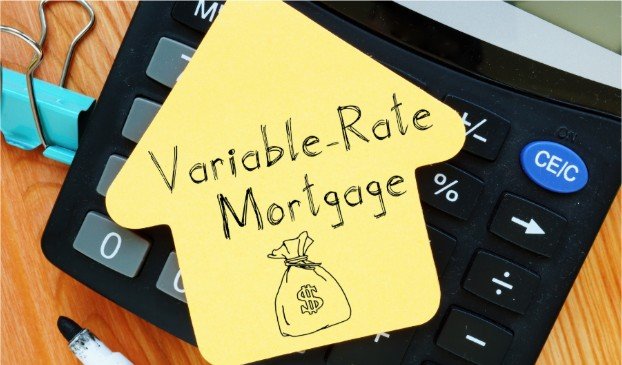
Because most HELOC draw periodss have variable interest rates, carrying a balance exposes you to changing market conditions. Paying off the loan early removes uncertainty and makes long-term budgeting easier.
Frequently Asked Questions
1. What Does Dave Ramsey Say About Paying Off HELOC?
Dave Ramsey strongly advises treating home equity lines and second mortgages with absolute financial urgency, recommending that homeowners clear this consumer style debt as fast as possible to protect their primary residential asset from severe foreclosure risks.
2. Does It Make Sense to Pay Off HELOC Early?
Yes, paying off your balance early makes tremendous financial sense because it drastically reduces total interest charges, eliminates monthly financial pressure, and frees up valuable cash flow for your future retirement savings and investment goals.
3. What Is the Monthly Payment on a $50,000 HELOC?
During the initial interest only draw period at an eight percent variable rate, a fifty thousand dollar balance requires roughly three hundred thirty three dollars per month, whereas standard amortized repayment terms push monthly obligations much higher.
4. What Is the Smartest Way to Pay Off a HELOC?
The smartest strategy involves making steady extra principal contributions each month, utilizing cash windfalls from bonuses, and keeping the revolving account open at a zero balance until any penalty windows officially expire.
Celebrating Your Financial Freedom Journey
Navigating your home equity timeline does not have to feel overwhelming when you check your paperwork first. Confirming your lender rules ensures you can eliminate your balance smoothly, save thousands in variable interest, and secure total financial freedom without unexpected penalties.
Paying off a HELOC ahead of schedule is often a smart financial decision, but success depends on understanding your specific loan agreement before taking action. By reviewing your contract, asking the right questions, and choosing the most cost-effective repayment strategy, you can minimize fees, maximize interest savings, and move confidently toward long-term financial security.