


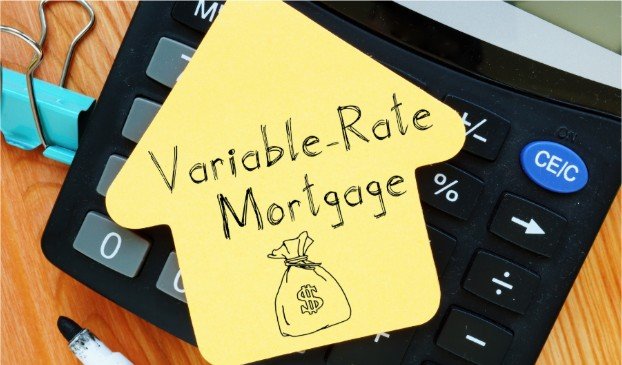


A low starting rate can look attractive until the payment changes halfway through a kitchen remodel. When I compare a fixed-rate vs variable-rate personal loan for home improvement, I focus on the payment I can still afford after a change order, material delay, or surprise repair.
The Consumer Financial Protection Bureau confirms that personal installment loans may carry fixed or adjustable interest rates. It also recommends comparing fees and offers from several lenders before borrowing.
Quick Comparison
| Feature | Fixed-rate personal loan | Variable-rate personal loan |
| Interest rate | Locked for the loan term | Can rise or fall |
| Monthly payment | Usually predictable | May change after adjustments |
| Starting rate | May be higher | May begin lower |
| Best fit | Tight budgets and longer terms | Fast repayment and flexible cash flow |
| Main risk | Missing future rate reductions | Higher payments after rate increases |
| Terms to check | APR, fees, and payoff rules | Index, margin, floor, cap, and reset date |
A fixed loan buys certainty. A variable loan accepts uncertainty in return for potential savings. Neither option wins until I compare the complete terms and test the highest payment I may face.
How Fixed-Rate Home Improvement Loans Work

A fixed-rate personal loan locks the interest rate when the lender funds the loan. With a standard fully amortizing loan, the scheduled principal-and-interest payment remains constant until the balance is repaid.
Where a Fixed Rate Helps
Fixed payments work well when the renovation already stretches the household budget. They also simplify planning for projects with uncertain timelines, including structural repairs, full-room remodels, and contractor-led additions.
The main advantage is protection from market rate increases. I know the required payment before demolition starts, and a later benchmark increase will not change it.
That certainty can be valuable when the project has other unpredictable costs. If a contractor discovers water damage or outdated wiring, I do not want the loan payment increasing at the same time.
What a Fixed Rate Can Cost
Certainty may come with a higher opening rate than a comparable variable offer, but that difference is not guaranteed. I compare actual lender offers rather than assuming every fixed-rate loan carries a specific premium.
A fixed rate also does not make a loan inexpensive. The CFPB explains that annual percentage rate, or APR, includes the interest rate plus certain lender fees, including origination charges. A loan with the lower advertised interest rate may therefore have the higher total borrowing cost.
The fixed structure may also become less attractive if market rates fall sharply. Unless I refinance, I remain responsible for the original locked rate.
How Variable-Rate Renovation Loans Work

A variable-rate loan allows the interest rate to change after closing. The rate often follows a benchmark or index, plus a margin set by the lender.
The Federal Reserve explains that individual banks set the prime rate and often use it as a reference rate for consumer and business loans. The Federal Reserve influences market conditions, but it does not directly set each lender’s prime rate.
Index, Margin, Floor, and Cap
I check four contract terms before accepting a variable-rate offer.
The index is the benchmark used to calculate adjustments. The margin is the percentage the lender adds to that benchmark. The floor is the lowest rate the lender may charge. The cap limits how high the rate can increase.
I also check the first adjustment date and how often resets occur. A low introductory rate offers limited protection when it resets quickly or carries a high lifetime cap.
For example, an index of 6% plus a 4% margin produces a 10% rate. If the index rises to 8%, the rate may become 12%, unless the contract’s adjustment cap limits the increase.
The Real Payment Risk
The practical risk is not simply that rates might rise. The real problem is that a higher payment may compete with property taxes, insurance, utility bills, and unfinished renovation work.
Variable rates can also fall when their benchmark declines. However, I never build a remodeling budget around hoped-for rate cuts. I test affordability several percentage points above the starting rate or at the maximum rate allowed by the agreement.
A $30,000 Renovation Payment Stress Test
Consider a hypothetical $30,000 personal loan with a five-year repayment term.
A fixed loan at 10% would cost approximately $637 per month. The borrower would pay roughly $8,245 in total interest over five years.
Now consider a variable loan beginning at 8%. Its opening payment would be approximately $608.
That looks like a monthly saving of about $29. However, suppose the rate increases to 12% after the first year. If the lender recalculates the remaining payments, the new payment would rise to approximately $656. Total interest would reach about $8,795.
The variable option begins $29 cheaper but later becomes $19 more expensive than the fixed payment. It also costs approximately $550 more overall in this scenario.
My rule is simple: I do not choose the variable loan merely because today’s payment fits. I choose it only when the stressed payment also fits.
Which Loan Fits Your Project?
Choose Fixed When Predictability Matters
I lean toward fixed financing when the loan term exceeds three years, the project has little budget flexibility, or a payment increase would force me to use credit cards.
Fixed financing can also make sense when:
- The renovation has a firm total price.
- Household income varies from month to month.
- Emergency savings are limited.
- The payment already consumes a noticeable part of disposable income.
- Financial stability matters more than potential rate savings.
A fixed-rate vs variable-rate personal loan for home improvement decision should reflect cash-flow tolerance, not a prediction about future Federal Reserve decisions.
Consider Variable When the Exit Plan Is Strong
A variable loan may work when I expect to repay the balance quickly, have reliable surplus income, and can absorb a higher payment. Protective rate caps and a meaningful APR advantage also strengthen the case.
For example, a borrower expecting a confirmed annual bonus may plan to eliminate most of the balance before the first adjustment. That strategy still requires a backup plan in case the bonus is delayed or reduced.
I also verify early-payoff rules. Variable loans do not automatically provide penalty-free prepayment. The signed agreement controls the payoff terms.
When approval strength is the larger problem, compare Joint personal loan vs cosigner for low credit score before selecting the interest-rate structure. Adding another applicant may affect eligibility, responsibility for repayment, and the rate offered.
Compare the Full Loan Cost Before Signing
I compare at least three written offers using the same loan amount and repayment term. The Federal Trade Commission advises homeowners not to accept contractor-arranged financing without shopping around and understanding the loan terms.
My comparison includes:
- APR
- Origination fee
- Net loan proceeds
- Monthly payment
- Total repayment
- Prepayment conditions
- Late-payment fees
- Adjustment frequency
- Maximum possible interest rate
Net proceeds deserve special attention. A 5% origination fee deducted from a $30,000 loan leaves only $28,500 available for the renovation. The borrower may need to request a larger loan or cover the $1,500 difference personally.
I also avoid comparing a three-year offer with a five-year offer based only on monthly payments. The longer term may lower the payment while increasing total interest substantially.
Alternatives to a Personal Loan
A personal loan is not the only way to finance renovations.
A home equity loan may provide a lump sum with a fixed interest rate. A home equity line of credit, or HELOC, offers reusable access to funds and usually carries a variable rate. Both options use the home as collateral.
The CFPB notes that HELOC payments can change according to the interest rate and the outstanding balance.
A HELOC can suit phased renovations because the homeowner draws money as work progresses. A home equity loan may fit a project supported by a firm contractor quote.
An unsecured personal loan avoids pledging the home and may provide faster access to funds. However, unsecured credit can cost more because the lender cannot claim a specific asset if the borrower defaults.
Homeowners should compare speed, fees, collateral risk, payment stability, and total interest rather than selecting the product with the lowest opening rate.
Frequently Asked Questions
1. Is a fixed or variable personal loan better for renovations?
A fixed loan usually suits strict budgets, while a variable loan may suit fast repayment and a strong ability to handle payment changes.
2. Can a variable personal loan payment increase?
Yes. Payment changes depend on the loan’s index, margin, adjustment schedule, floor, and rate caps.
3. Are fixed-rate home improvement loans always more expensive?
No. Compare APR, lender fees, repayment term, and total cost rather than relying on the advertised interest rate.
4. Can I pay off a variable-rate personal loan early?
Possibly, but check the agreement for prepayment charges, minimum-interest rules, or recapture of previously waived fees.
Final Verdict: Predictability Is Not Boring
The best fixed-rate vs variable-rate personal loan for home improvement choice is the one that survives a bad month, not merely the one that wins in an opening-rate advertisement.
I would choose fixed financing when certainty protects both the renovation and household budget. I would consider a variable rate only with a short repayment plan, a meaningful APR advantage, protective caps, and enough cash flow to absorb a higher payment.
Before signing, I would calculate the payment at the highest permitted rate and maintain a separate renovation contingency fund. Cheap-looking money can become expensive. A boring, predictable payment rarely creates that kind of surprise.